

Beyond the Distortion: Re-evaluating a Genre-Defining Masterpiece.
Flashback Friday: “War Pigs” by Black Sabbath
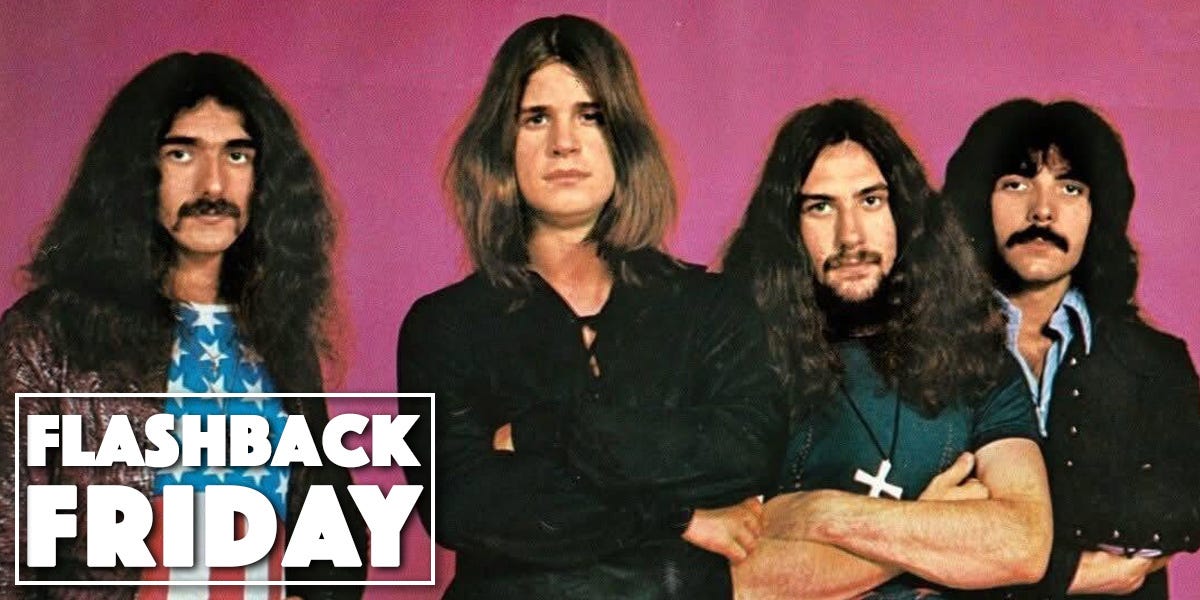
Flashback Friday posts usually focus on one specific album from one specific artist… But today I thought I’d mix it up a little and instead focus on one monster of a song that has been covered by an untold number of other bands over the course of nearly 60 years.
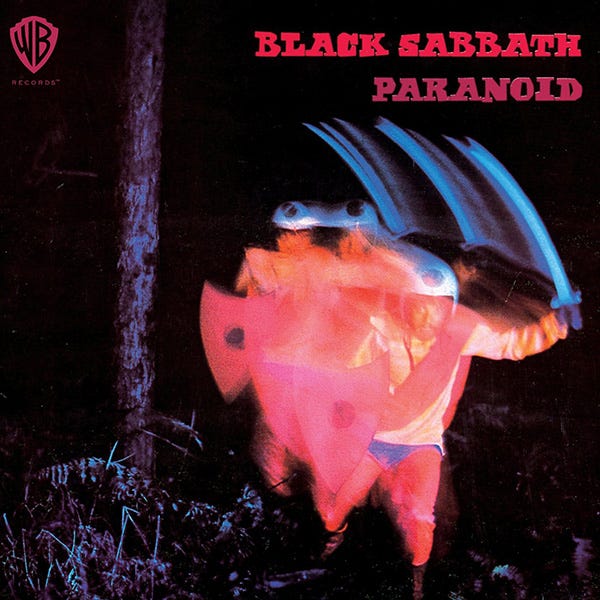
“War Pigs,” the opening track of Black Sabbath’s 1970 sophomore masterpiece Paranoid, is arguably the most important song in the history of heavy metal (and yes, I’m not forgetting about the “Luke’s Wall” portion of the song but for our purposes we’ll shorten the song title to just “War Pigs”). It represents the precise moment the blues-rock of the 1960s was transmuted into the dark, crushing, and socially conscious sound that would define the next five decades of heavy music.
The song’s brilliance lies in its impeccable construction and its stark, unapologetic atmosphere… Beginning with the iconic, rising air-raid siren—a sound that immediately signals danger and urgency. The feedback-drenched opening riffs set a tone of impending doom that few songs have ever replicated.
This track features perhaps the most quintessential example of Tony Iommi’s “Sabbath sound”—thick, downtuned, and dripping with raw, uncompromising power. Bill Ward’s drumming is often overlooked in favor of Iommi’s riffs, but in the song’s intro section his swing-heavy, jazz-influenced drumming provides the perfect tension against the rigid, tectonic movements of the guitars.
Bassist Geezer Butler’s lyrics were a radical departure from the “love and peace” tropes of the era. By framing politicians and military leaders as “War Pigs” who “hide in their mansions while they play with lives,” the song provided a visceral, cynical look at the Vietnam War era that resonates as clearly today as it did in 1970.
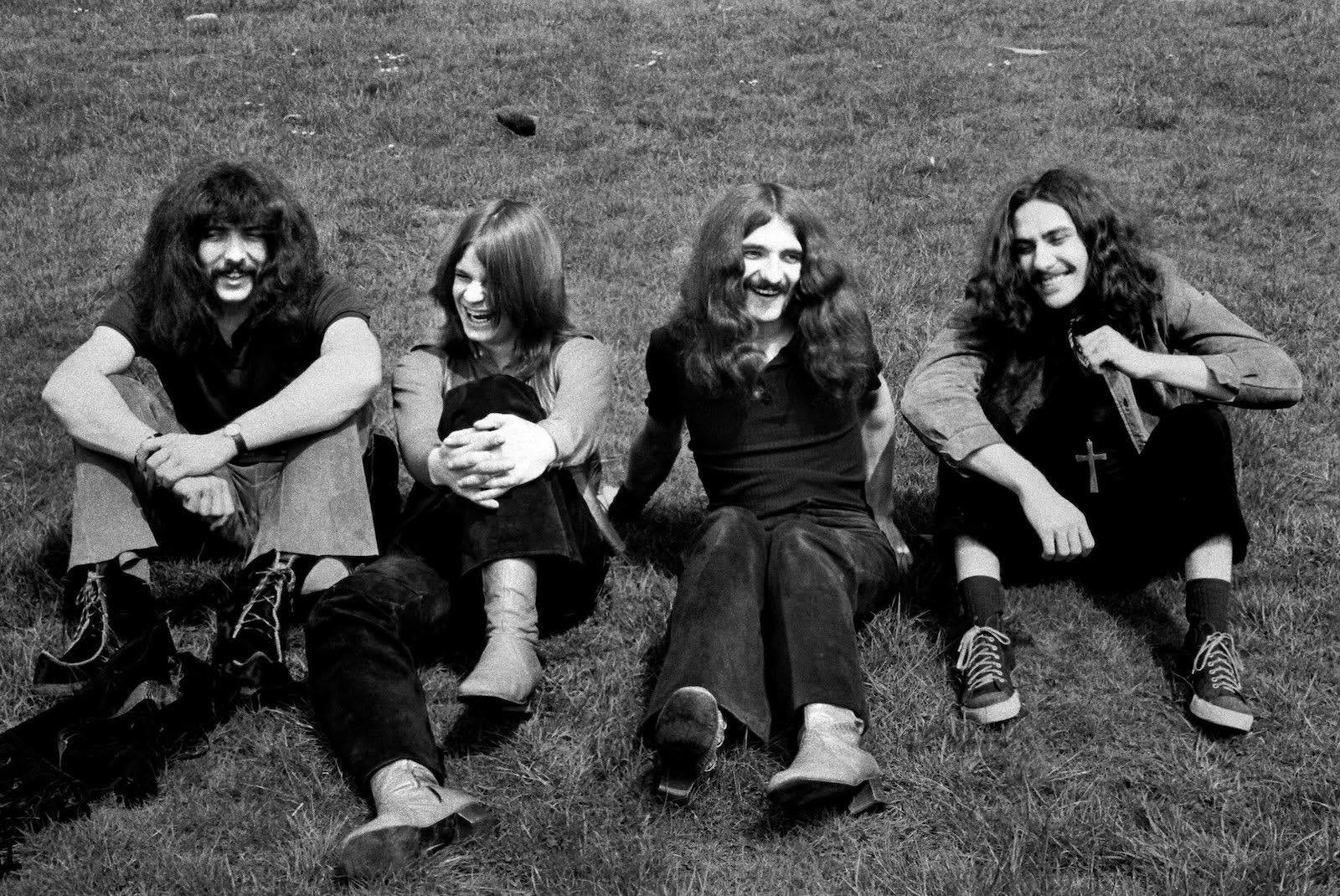
“War Pigs” endures not merely as a song, but as a definitive protest anthem because it bypassed the fleeting “peace and love” trends of its era to deliver a raw, cynical, and unflinching critique of power. More than 50 years later, its message remains a cornerstone of heavy metal’s political identity and a hauntingly accurate mirror of global conflicts.
While the song’s title and some of its imagery—like generals gathering in “masses” compared to “witches at black masses”—initially drew accusations of satanism, bassist and lyricist Geezer Butler was clear: the “evil” he was singing about was not supernatural, but political.
The lyrics directly condemn the elite—politicians and military leaders—who “hide themselves away” while treating the working class like “pawns in chess”. By framing war profiteers as the true “Satanists” of the world, Butler turned the moral panic of the era on its head. The song posits that the greatest act of evil is the systematic orchestration of death for profit, power, or “fun”. The song’s finale provides a cathartic, albeit dark, conclusion. It is a stark warning that no matter how much power these individuals hold, they are ultimately subject to a final, inescapable accountability.
The longevity of “War Pigs” stems from the uncomfortable reality that its central themes have not faded with time as every generation faces the reality of global conflict, and the feeling that ordinary people are bearing the cost of decisions made by distant, shielded leaders remains a potent, universal frustration.
Unlike the more gentle protest music of the 1960s, “War Pigs” is aggressive and confrontational. Its “in-your-face” delivery resonates with listeners who feel that polite protest has failed, making it a perennial anthem for those angry at the status quo. The lyrics describe a “war machine” that “keeps turning”. Because this mechanism of industrial and political conflict continues to operate globally, the song feels less like a historical artifact and more like a recurring headline.
The song’s impact was felt almost immediately, notably by the very people it was written for. Black Sabbath members have recounted stories of Vietnam veterans who, upon returning home, found in the song a rare, validating articulation of their own disillusionment and trauma.
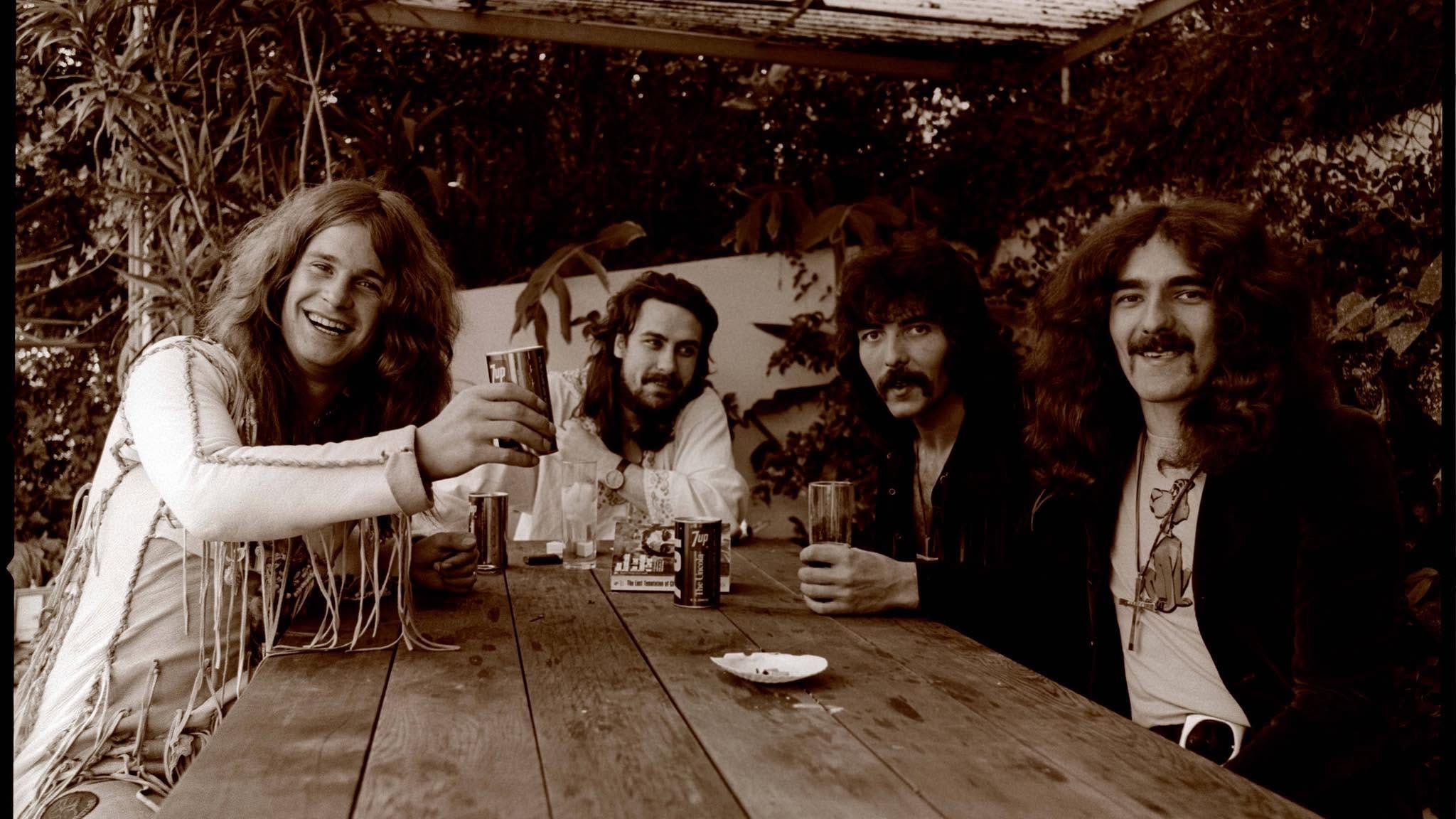
By giving a voice to the victims of “brainwashed” warfare, the band moved beyond entertainment and into the role of social commentators, effectively setting the template for decades of politically conscious heavy metal.
While there is no official, definitive count of how many times “War Pigs” has been covered by other artists, this foundational pillar of heavy metal has been recorded, performed live, and re-released by artists across diverse genres for over five decades.
Black Sabbath’s entire catalog has been the subject of over 500 documented cover versions. While “Paranoid” and “Iron Man” are often cited as the most frequently covered individual tracks within that catalog, “War Pigs” is consistently ranked among the most essential and widely reinterpreted songs in their discography.
The song’s multifaceted, progressive structure has proven uniquely adaptable, attracting covers from high-profile metal bands like Faith No More, experimental alternative artists like Cake, jam bands like Gov’t Mule, and even orchestral groups like the Riverrock Orchestra.
The song remains culturally relevant, with new interpretations emerging regularly, but below are some examples of how artists of every genre have interpreted the song and more importantly, its message.
Black Sabbath’s entire catalog has been the subject of hundreds of documented cover versions. “War Pigs” is such a foundational piece of music that it has inspired wildly different interpretations across genres. Here are mini-reviews of seven notable covers:
Faith No More
Widely considered the “gold standard” of metal covers, Faith No More approaches this track as a muscular, high-octane homage. While the instrumentation stays true to the crushing weight of the original, Mike Patton injects his signature unpredictability. His vocals shift from controlled power to erratic mumbles and screams, making the song feel dangerously alive and arguably more unhinged than the 1970 version.
Cake
Cake’s version is the gold standard in genre-bending, stripping away the heavy distortion in favor of their trademark deadpan, minimalist, and brass-heavy style. By removing the “metal” veneer, the band exposes the dark, cynical humor in the lyrics. It is an audacious, funky reinterpretation that makes the song feel like a sardonic observation rather than a doom-laden warning.
Gov’t Mule
For those who prefer the song’s blues-rock roots, Gov’t Mule delivers a powerhouse performance. Recorded live, this version leans heavily into improvisational jam-band sensibilities, showcasing Warren Haynes’ masterful guitar work and the band’s tight, freight-train rhythm section. It is less about atmospheric doom and more about raw, technical musicianship and high-energy rock and roll.
T-Pain
Perhaps the most surprising entry, T-Pain’s 2023 studio cover was so impressive that it earned the stamp of approval from Ozzy Osbourne himself, who called it “the best cover of ‘War Pigs’ ever”. Shedding the auto-tune associated with his early career, T-Pain displays immense vocal range and soul. The use of wailing electric organs creates a unique, almost 60s-inspired vibe that emphasizes the song’s melody while maintaining a “doomy” spirit.
Riverrock Orchestra
This version shifts the focus from electric aggression to symphonic grandeur. By translating the iconic riffs for a small orchestral ensemble, the arrangement highlights the inherent dramatic structure and “Judgment Day” tension embedded in the composition. It is a cinematic experience that proves the “heaviness” of “War Pigs” exists just as much in its writing as it does in its volume.
Jazz Sabbath
Led by pianist Adam Wakeman (who is also a longtime member of Ozzy Osbourne’s solo band and a former touring member of Black Sabbath), this project is less of a “cover” and more of a total stylistic subversion. They completely dismantle the track, stripping away the heavy metal armor to reveal the underlying jazz progressions that Tony Iommi actually hinted at in his original compositions. Their version is sophisticated and lounge-noir, with intricate piano work that transforms the “doomy” Sabbath riff into a smooth, melancholy, and intellectually playful piece of modern jazz. It is a brilliant piece of musical archaeology that exposes the technical sophistication beneath the sludge.
uKanDanZ
This Ethiopian band’s 2025 interpretation is a revelatory reimagining of the classic. Sung entirely in Amharic, the track trades traditional heavy metal distortion for a gritty, jazz-fusion aesthetic. Lionel Martin’s tenor saxophone stands in for the iconic guitar riffs, shredding through the melody with a raw, visceral power that feels like a sonic battle cry. Asnake Gebreyes’ lead vocals bring a fresh, soul-drenched intensity to the lyrics, grounding the song in a global context that feels particularly poignant against the backdrop of modern conflict. It is a stunning example of how a song’s DNA can transcend language and genre to remain universally heavy.
Ultimately, “War Pigs” stands as a monumental pillar of heavy music, a track that did more than just define the sound of the 1970s—it permanently shifted the trajectory of rock composition. By melding crushing guitar riffs to a biting, unapologetic narrative of political corruption, Black Sabbath crafted a timeless anthem that articulated the cynicism and rage of a generation while proving that heavy metal could be an intellectual and moral force.
Its profound impact is perhaps best reflected in the sheer breadth of its legacy; whether filtered through the jazz-fusion lens of uKanDanZ, the orchestral grandeur of the Riverrock Orchestra, or the raw, improvisational spirit of Gov’t Mule, the song’s DNA remains unmistakable and indomitable.
Over fifty years later, “War Pigs” continues to resonate with fans and musicians alike, serving not only as a masterclass in songwriting but as a persistent, haunting warning that the “war machine” it critiques is as active and relevant today as it was the day it was written.
The Song
Spotify:
Apple Music: https://music.apple.com/us/song/war-pigs-lukes-wall/785232520
Be sure to check out the Audio Toxicity 2026 Bad Music Detox Protocol (AKA a playlist of songs covered so far…)