

Flashback Friday: Animals [2018 Remix] by Pink Floyd
Pink Floyd’s Most Brutal Masterpiece Finally Sounds as Sharp as Its Teeth.
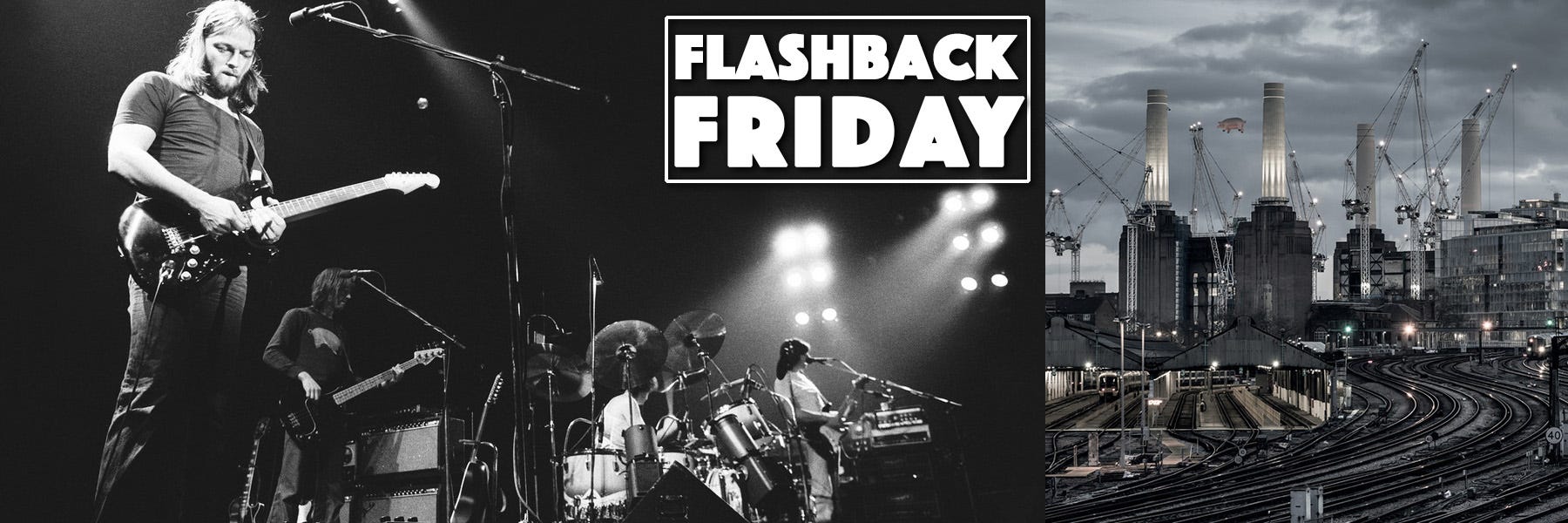
First things first… Yes, I am aware that I recently featured a seminal Pink Floyd album in a Flashback Friday. However, I chose to revisit another Pink Floyd classic for three reasons:
I wasn’t writing this blog back in 2022 when this remixed version of Animals was finally released.
This record was released this same week back in 1977 (on January 21st) so it is kinda relevant again if we celebrate its 49th anniversary.
I don’t remember this album release getting the same kind of fanfare in 2022 as the recent re-release of Wish You Were Here, and it deserves it.
Yea… It’s a stretch, but I was looking for a reason to discuss this record on this blog and this is as good a reason as any, so here goes…
When the 2018 Remix of Pink Floyd’s Animals finally hit shelves in late 2022 (delayed for years due to a notorious liner-notes dispute between Roger Waters and David Gilmour), it felt less like a standard reissue and more like a long awaited archaeological restoration.
For decades, Animals was the “dark horse” of the Pink Floyd Big Four. Sandwiched between the shimmering perfection of Wish You Were Here and the theatrical sprawl of The Wall, the original 1977 mix always sounded a bit claustrophobic—muffled, dry, and almost intentionally abrasive. Despite the audio issues, this was always my favorite album in the Pink Floyd canon. The 2022 release, however, finally fixes these issues and provides a striking new perspective on this bleak masterpiece.
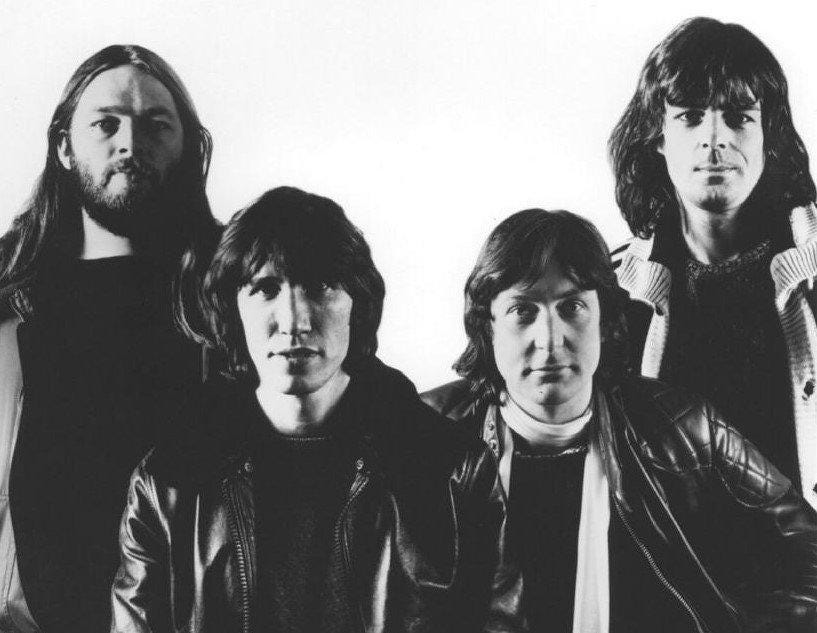
The 2018 Remix, handled by long-time Floyd engineer James Guthrie, is an absolute revelation. While purists may miss the “lo-fi” grit of the original, they’re wrong, because the new mix offers several objective improvements.
Dynamic Clarity: The original mix felt like it had a “heavy blanket” over it. The remix removes this, allowing Rick Wright’s Fender Rhodes and Hammond organ to shimmer with a clarity they never had before.
The “Lead” Bass: One of the biggest surprises is the prominence of the bass. Interestingly, David Gilmour played most of the bass on this record, and in the new mix, his lines on “Pigs (Three Different Ones)” are punchy and melodic, driving the track with newfound aggression.
Drum Presence: Nick Mason’s drums, which sounded somewhat flat and “cardboardy” in 1977, now have a massive, room-filling resonance. The snare cracks, and the kick drum provides a visceral thud that anchors the 17-minute odyssey of “Dogs.”
Vocal Intimacy: Roger Waters’ vocals are brought forward, stripping away some of the 70s reverb to reveal a more raw, menacing performance. You can hear the literal spit and vitriol in his delivery.
Ok, “so what?” those purists mentioned above might say. It’s not Dark Side Of The Moon or The Wall, so why should you care? Here’s why... While Dark Side is clearly the band’s commercial peak and The Wall is the narrative one, a growing segment of the fanbase (myself included) considers Animals to be the band’s finest hour.
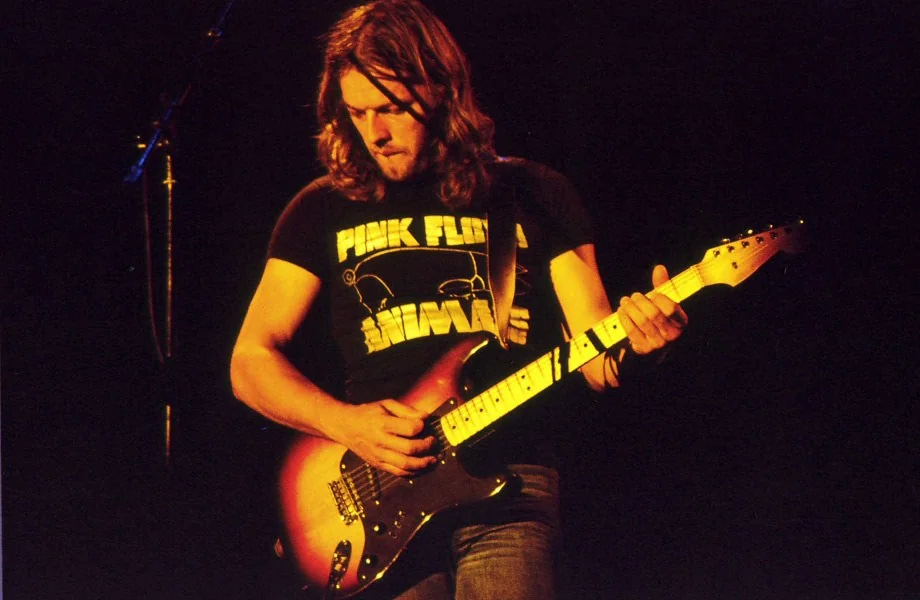
Released at the height of the UK Punk movement, Animals was Pink Floyd’s response to the “I Hate Pink Floyd” T-shirts worn by Johnny Rotten. It is their most aggressive, cynical, and politically biting work. It lacks the “spacey” politeness of their earlier work, replacing it with a jagged, industrial edge that feels more honest.
The musical compositions on Animals are among the most sophisticated and aggressive in the Pink Floyd canon. Unlike the atmospheric “drifting” of Wish You Were Here or the radio-friendly-ish structures of The Dark Side of the Moon, Animals is built on long, winding “section-groups” that use musical tension to mirror the social decay described in the lyrics.
The “Pigs on the Wing” Bookends
The entire album is “pinned” by two brief, identical acoustic ballads. Musically, these are the only moments of warmth. Their simplicity—just a basic G-C-D progression—acts as a “safe haven” from the complex, jagged prog-rock of the inner tracks. By placing these at the start and end, the band seems to be suggesting that human connection is the only thing that protects us from the predatory world described in the 40 minutes between them.
“Dogs”: The Sound of Tension and Fatigue
Clocking in at 17 minutes, “Dogs” is a perfect example of using musical structure to simulate a lifecycle. The song opens with an urgent, syncopated acoustic guitar. This rapid-fire strumming creates a sense of “hustle”—the frantic, cutthroat pace of the businessman (the Dog) trying to climb the ladder. The middle section features a sprawling synthesizer “fog” where the word “stone” echoes and decays. Musically, this represents the “weight” of the Dog’s sins. The transition from the fast acoustic rhythm to this slow, funereal tempo mirrors the character’s aging and eventual realization that his “winner-take-all” mentality has left him isolated. David Gilmour’s multi-tracked guitar harmonies in the final solo creates a feeling of existential dread that perfectly matches the lyric “Who was born in a house full of pain.”
“Pigs (Three Different Ones)”: Funk and Vitriol
While “Dogs” is existential, “Pigs” is grounded and muscular. It uses a heavy, driving bassline (played by Gilmour, not Waters) that is almost “ugly-funk.” Gilmour uses a Heil Talk Box to make his guitar literally “snort” and “grunt.” This is more than a gimmick; it’s a sonic mockery of the high-society “pigs” who lecture the masses. Rick Wright’s Hammond organ is mixed with a gritty, distorted edge. It provides a “sludge-like” texture that supports the imagery of the “pig bin” and corporate gluttony. The song stays on a relentless, repetitive E-minor groove, creating a feeling of being trapped in a cycle of corruption that the listener (and society) cannot escape.
“Sheep”: The Frenzy of Rebellion
“Sheep” begins with a deceptively peaceful, jazzy Rhodes piano intro by Rick Wright, mimicking a quiet meadow. As the song kicks in, the bass takes on a rhythmic “gallop.” This propulsive energy represents the panic of the herd as they realize they are being led to the slaughter. The middle section features a distorted, vocoded parody of the 23rd Psalm. The music here becomes mechanical and cold, reflecting the “numbing” effect of religion and state propaganda. In a rare moment for the album, the song ends with a triumphant, soaring guitar riff in a major key. This supports the lyrical climax: the sheep rising up and killing the dogs. However, the music retains a slightly manic, aggressive edge, suggesting that the new masters (the sheep-turned-wolves) might be just as dangerous as the old ones.
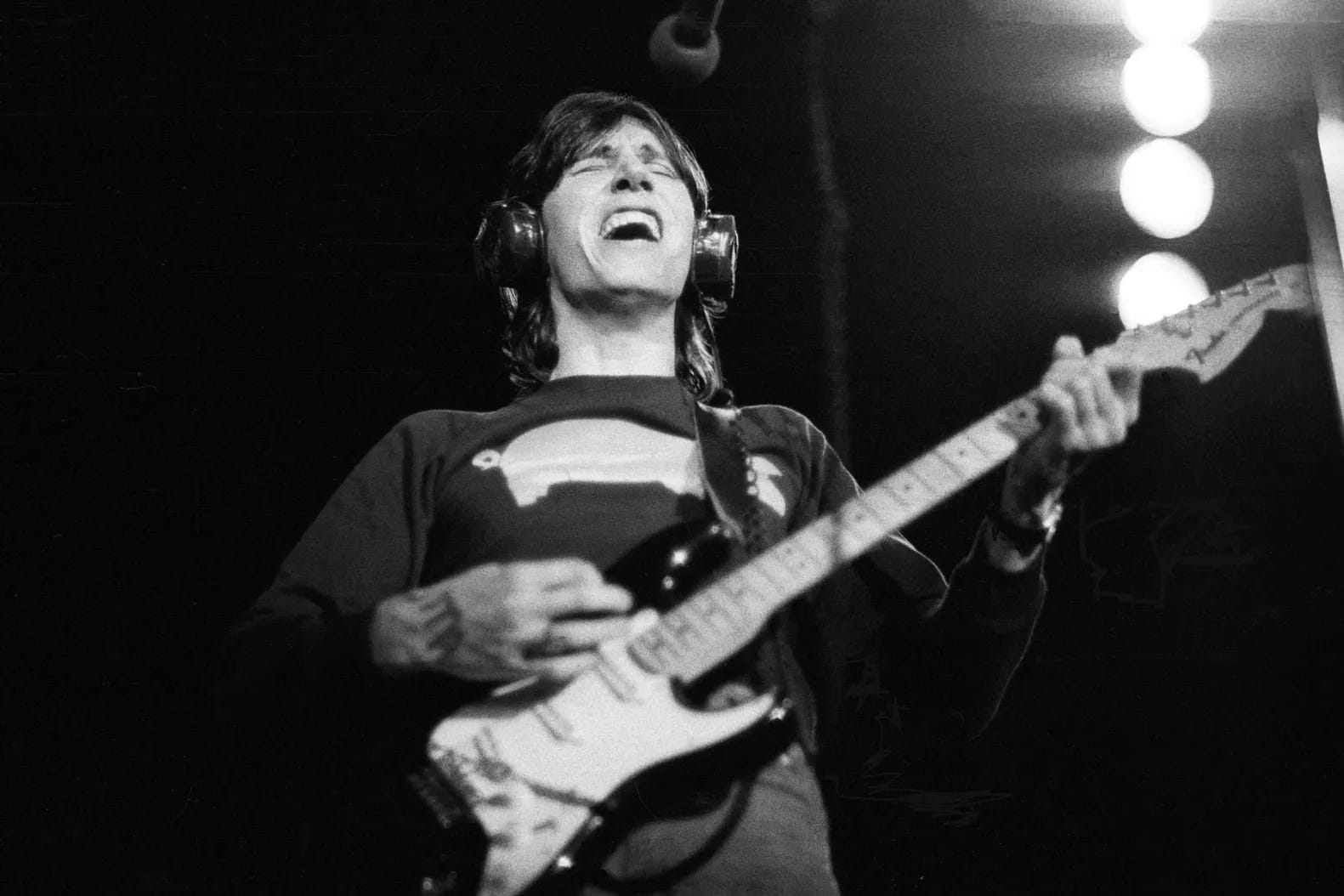
Though Roger Waters was firmly in the driver’s seat lyrically, Animals represents the last time the band functioned as a cohesive musical unit. David Gilmour’s guitar work on “Dogs” is arguably the greatest of his career—a masterclass in phrasing and tone—while Rick Wright’s textures provide a haunting atmosphere that would be largely absent from The Wall.
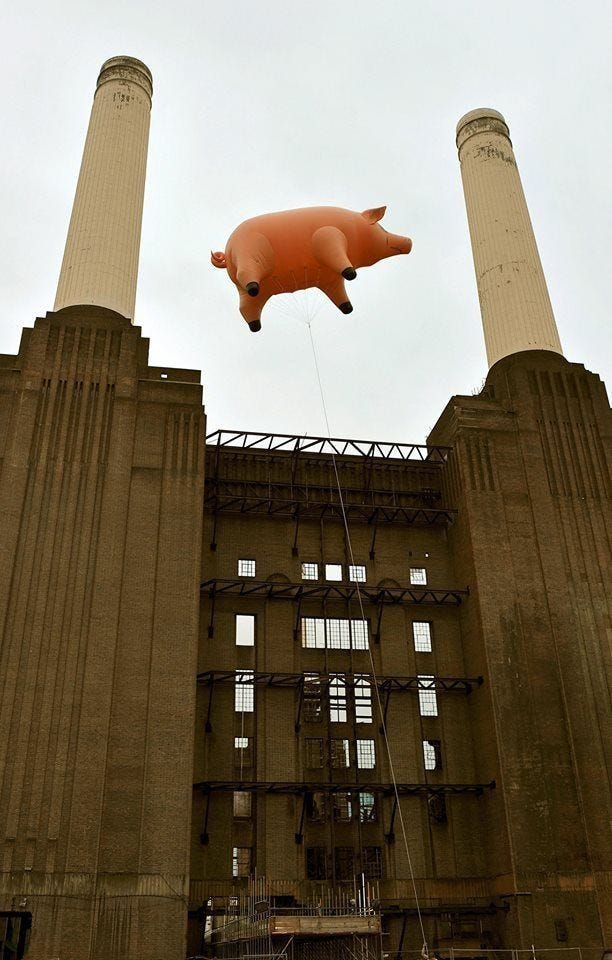
Loosely based on George Orwell’s Animal Farm, the album’s division of society into Dogs (the predatory strivers), Pigs (the moralizing elite), and Sheep (the mindless masses) feels depressingly relevant today. It doesn’t rely on 1970s tropes; it speaks to the fundamental mechanics of power and greed, making it feel just as contemporary in 2026 as it did in 1977.
The 2022 release of the 2018 Remix is essential. It transforms Animals from a “difficult” cult classic into a high-fidelity experience that rivals the sonic depth of Wish You Were Here. It confirms what many fans already suspected: that beneath the grime of the original production lay the band’s most muscular and emotionally raw musical achievement.
The Album
Spotify:
Apple Music: https://music.apple.com/us/album/animals-2018-remix/1631582682