

Flashback Friday: Rastaman Vibration by Bob Marley & The Wailers
A Look Back Five Decades In The Making
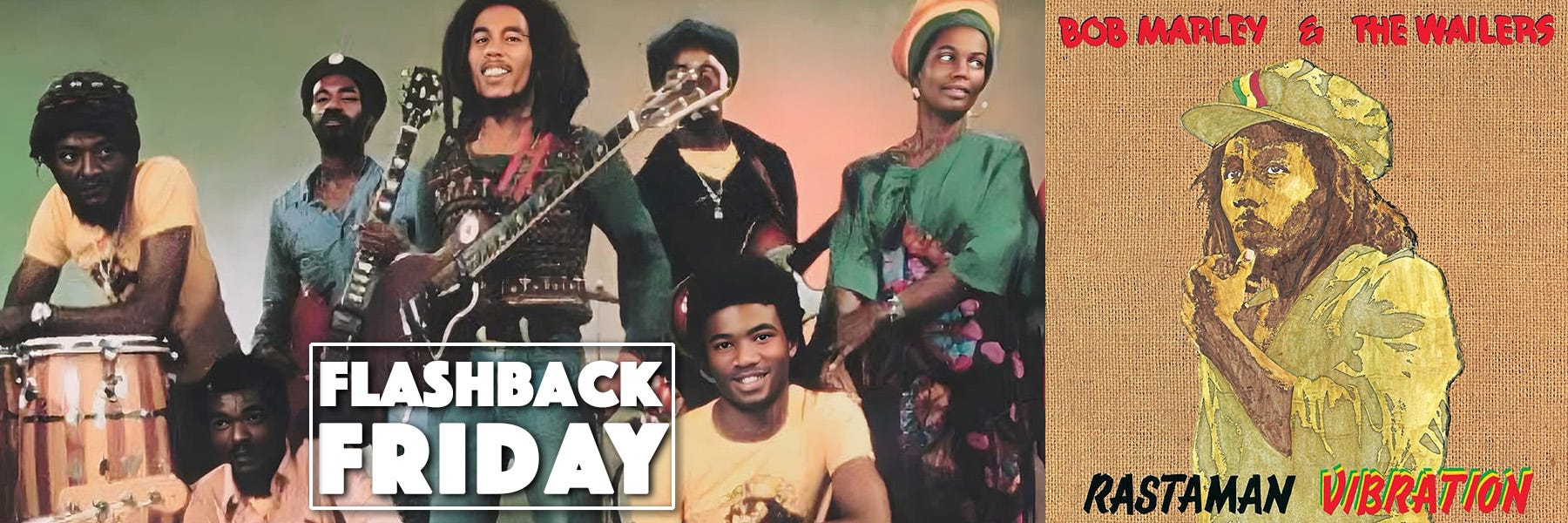
Fifty years after its April 1976 release, Rastaman Vibration stands as a pivotal monument in the landscape of 20th-century music. While Catch a Fire introduced the world to the “rebel music” from the island nation of Jamaica and Exodus would later solidify his status as a global prophet, Rastaman Vibration was the album that truly broke Bob Marley and the Wailers in the United States, peaking at #8 on the Billboard 200.
When Rastaman Vibration hit the shelves in late April, the Billboard 200 was a “Who’s Who” of rock legends. The Eagles were dominating with Their Greatest Hits (1971–1975) and Peter Frampton was in the middle of his cultural takeover with Frampton Comes Alive!. Paul McCartney’s Wings had just released At the Speed of Sound and Led Zeppelin and The Rolling Stones were also releasing major works that same month (Presence and Black and Blue respectively).
In a sea of double-live albums and high-gloss production, Rastaman Vibration was an anomaly. While the U.S. was beginning its obsession with the four-on-the-floor beat of Disco, Marley offered the “One Drop.” It was danceable, but the themes were heavy. It lacked the escapism of disco; instead of “The Hustle,” Marley was singing about the “Rat Race.”
1976 was also the American Bicentennial—a year of loud, patriotic celebration. Marley arrived at the party with an album wrapped in burlap-textured/burlap-print cover art, singing about the downfall of Babylon and the divinity of Haile Selassie. To many young Americans, this felt more “authentic” than the increasingly corporate rock of the era.
To further understand the impact of Rastaman Vibration, one must also look at the “Marley Effect” that was sweeping through Western rock royalty in the mid-1970s. This wasn’t just a musical trend; it was a total recalibration of the pop music compass. Marley was no longer a niche curiosity in the West, largely thanks to Eric Clapton’s 1974 cover of “I Shot the Sheriff.” Clapton’s version went to #1 on the Billboard Hot 100, effectively “translating” reggae’s syncopated language for American rock audiences.
However, while Clapton opened the door, Marley’s increasing popularity among other Western giants gave him true peer status. Keith Richards became an early and vocal disciple, often seen in the front row of Marley’s London shows. The Stones eventually signed former-Wailer Peter Tosh to their own label, but it was Marley’s spiritual gravity that they most admired.
Sir Paul McCartney was so enamored with the “rebel music” that he began incorporating simplified reggae rhythms into his own work (most notably in “C Moon”). Also, in the UK, Marley became an honorary “Godfather of Punk.” Bands like The Clash and The Slits looked to Rastaman Vibration as a blueprint for political defiance. Marley responded to this mutual respect with the track “Punky Reggae Party,” bridging the gap between Kingston and London’s subcultures,
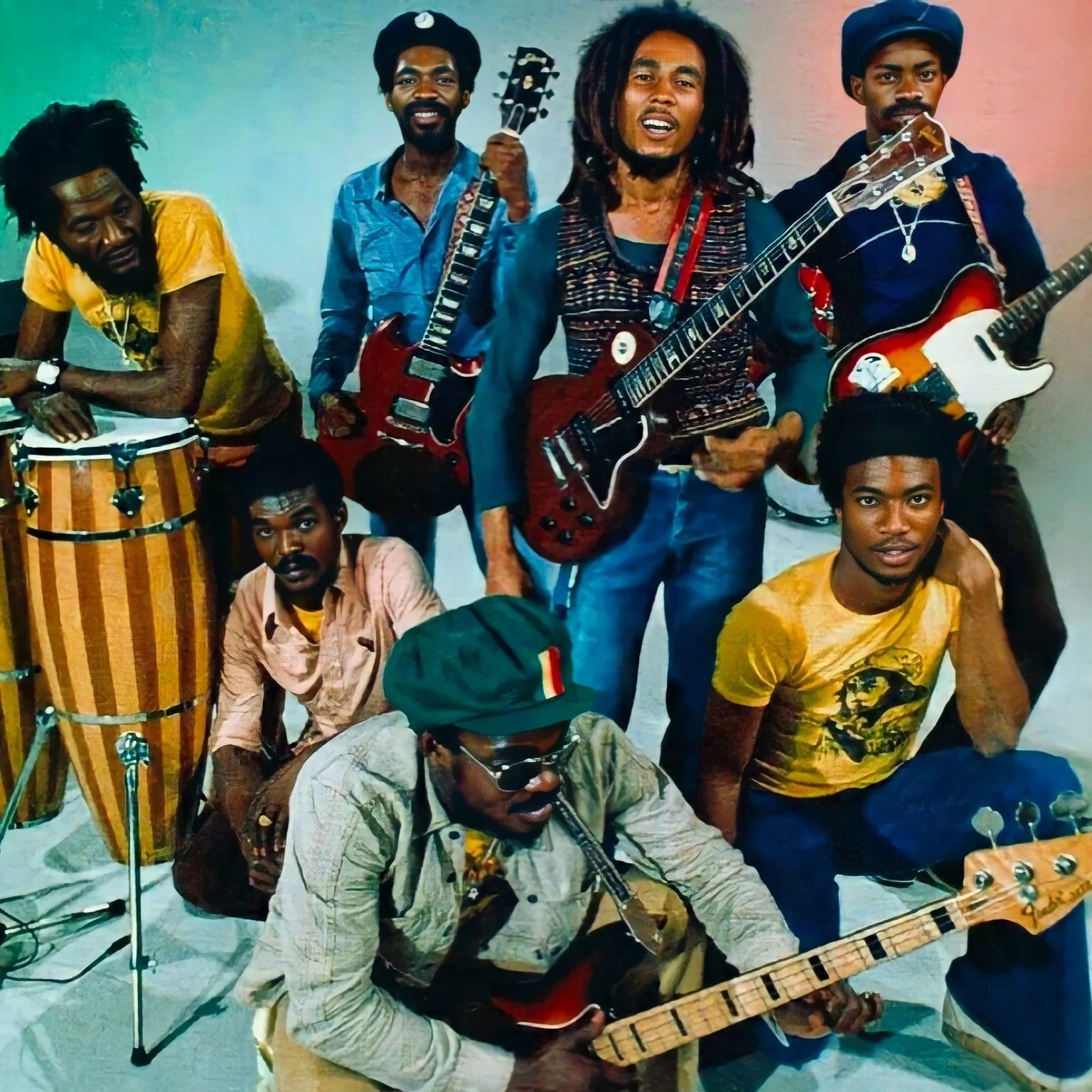
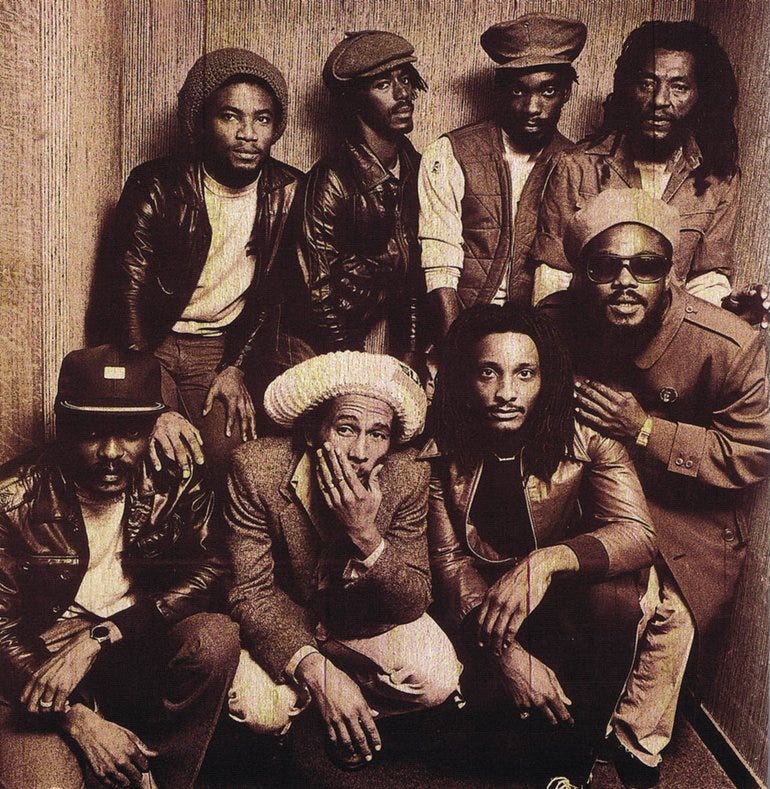
By the mid-70s, the Wailers weren’t just a backing band; they were a precision-engineered musical machine, capable of delivering a spiritual message with the power of a rock stadium act. While Bob was the face and the voice, the sheer musicianship of the Wailers during the Rastaman Vibration era reached a level of tightness that few rock bands could match. At the heart of this were the Barrett Brothers, arguably the most influential rhythm section in reggae history.
Aston “Family Man” Barrett didn’t just play bass lines; he composed melodic foundations. On tracks like album opener “Positive Vibration,” his bass is the “lead” instrument, providing a deep, rolling pulse that allows Marley’s vocals to float. He was the musical director for the band, responsible for the sophisticated arrangements that made the record feel modern and hi-fi.
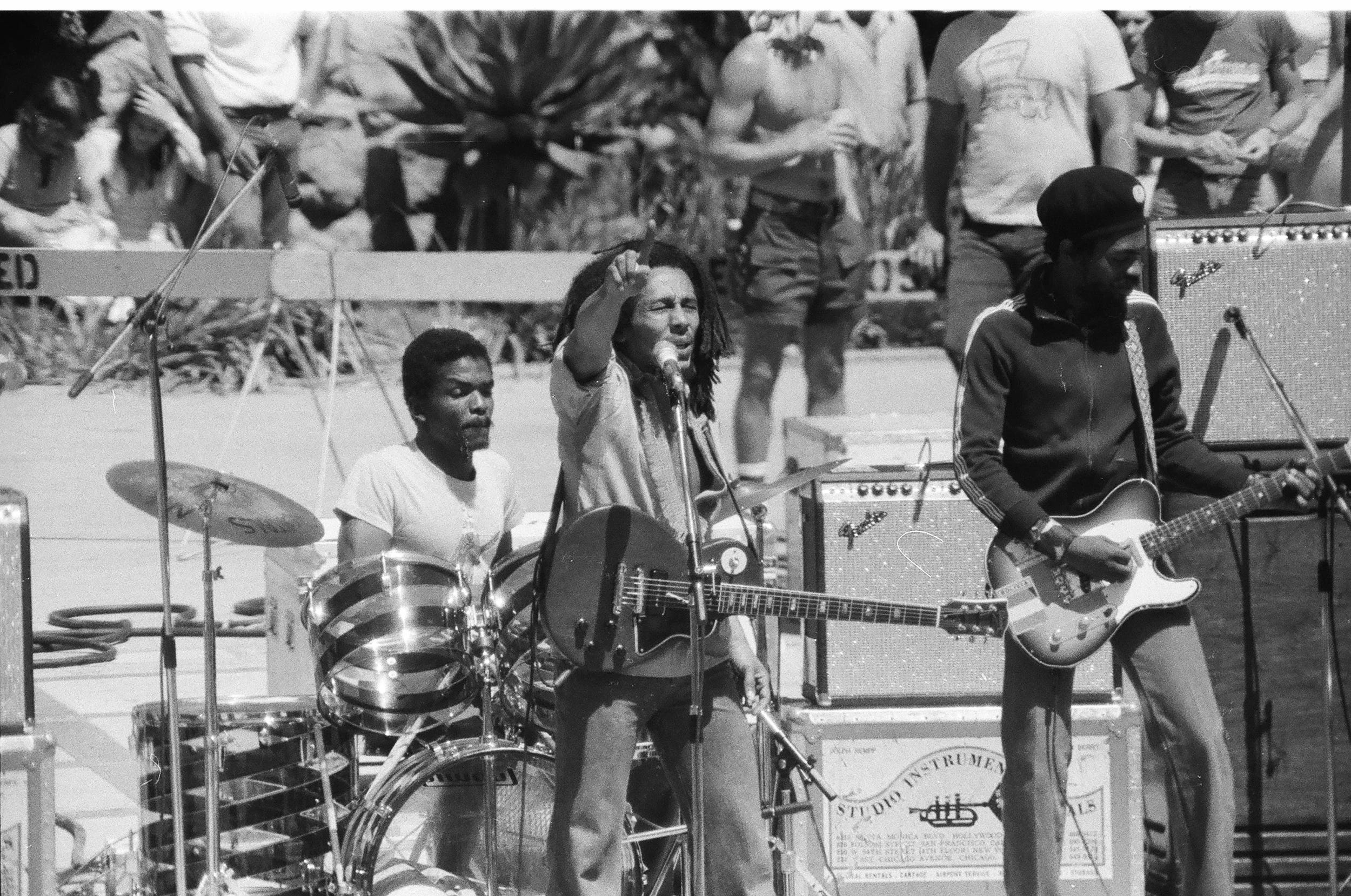
Family Man’s brother, Carlton Barrett, is widely credited with perfecting the “One Drop” drumming style. His signature was the cracking “sidestick” of the snare on the third beat of the measure, leaving the first beat empty—a rhythmic reversal that gave the album its hypnotic, swinging feel. His hi-hat work on Rastaman Vibration is particularly intricate, acting as the metronome for a world that was suddenly learning to dance on the “off-beat.”
The album also showcased a deliberate, world-class musical expansion… Al Anderson, an American addition to the band, brought a blues-rock “sting” to the tracks. His solos on “Roots, Rock, Reggae” were the bridge for American listeners—they heard a guitar tone they recognized (similar enough to Hendrix or Clapton) while the songs remain rooted in Jamaican culture.
This was also the album where the synthesizer truly entered the Wailers‘ vocabulary. Tyrone Downie used the Hammond organ, Clavinet and early synths to add a “bubbly,” modern texture that made the record sound competitive with the soul and R&B coming out of Philadelphia and Detroit at the time.
In recognition of the importance of this specific group of musicians, Rastaman Vibration was the first Marley album to credit individual band members for songwriting—a move by Bob to ensure his brothers in the band received royalties and credit for their immense contributions to the “Marley sound.”
Working at Harry J Studios in Jamaica and mixing in Miami, the production on this record is notably “fatter” and more polished than its predecessors. The addition of backing vocals from Rita Marley, Judy Mowatt, and Marcia Griffiths (aka The I-Threes) provided a soulful, gospel-inflected backdrop that smoothed out the rough edges of Marley’s vocals, making the message more palatable to a global audience. The interplay between Earl “Chinna” Smith’s rhythm guitar and Al Anderson’s rock-influenced leads created a hybrid sound that further bridged the gap between traditional reggae and Western FM radio.
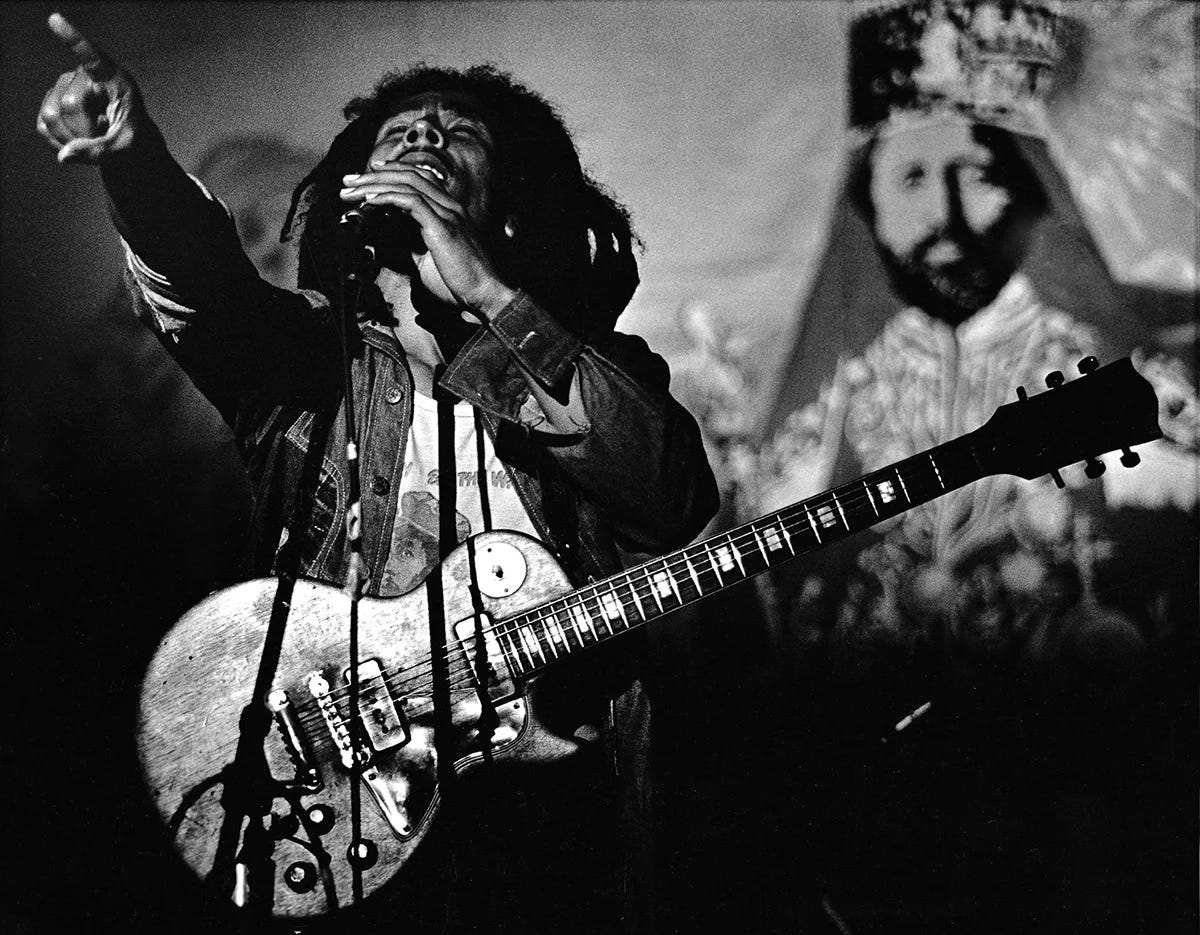
Retrospectively, Rastaman Vibration is perhaps Marley’s most overtly political and religious statement. It served as a manifesto for the Rastafarian faith during a period of intense political turmoil in Jamaica.
The centerpiece of the album, “War,” is a literal transcription of Haile Selassie I’s 1963 speech to the United Nations. Fifty years on, the lyrics remain a hauntingly accurate diagnostic tool for global inequality:
“Until the color of a man’s skin is of no more significance than the color of his eyes… Me say war”
While “War” dealt with the macro-political, tracks like “Johnny Was” and “Rat Race” dealt with the micro—the everyday violence and political manipulation occurring in the ghettos of Trenchtown. This balance between the spiritual and the visceral is what gave the album its “vibration.”
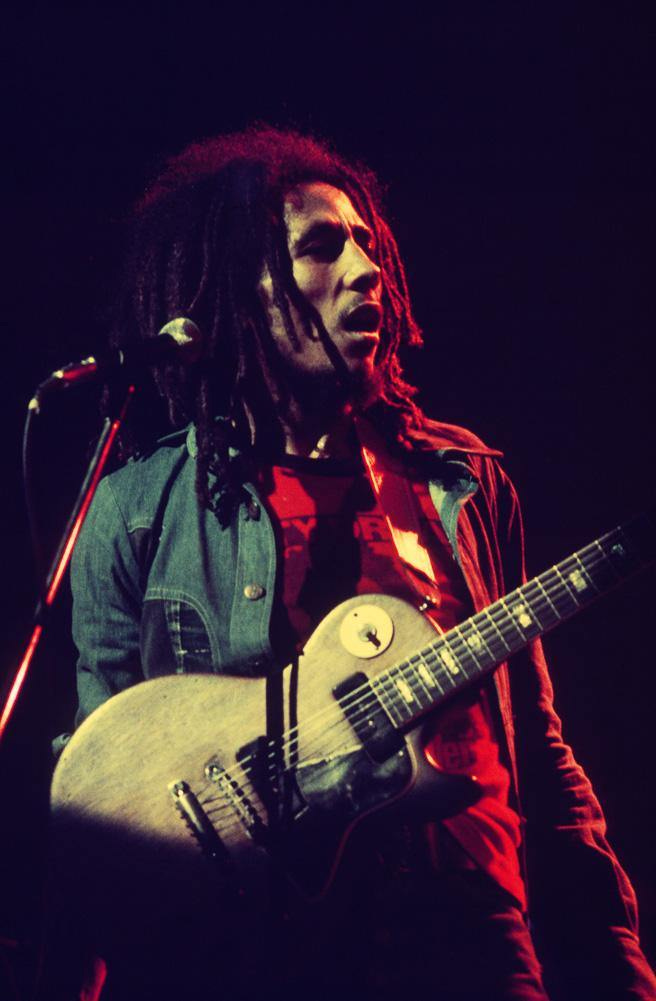
Half a century later, Rastaman Vibration is more than just a collection of reggae songs; it is the moment Bob Marley became a cultural diplomat. It was on the tour for this album that the iconic imagery of Marley—dreadlocks flying, eyes closed in spiritual fervor—was burned into the global consciousness.
It remains a vital document of a man who refused to separate his art from his activism. In an era of digital disconnection, the “Positive Vibration” Marley sang about in 1976 feels less like a relic of the past and more like a necessary prescription for the future.
The Album
The Deluxe Edition of the album linked below includes the iconic 1976 live performances from The Roxy in Hollywood, CA
Spotify:
Apple Music: https://music.apple.com/us/album/rastaman-vibration-deluxe-edition/1452860107
The Videos
“Positive Vibration” & “Roots, Rock, Reggae” Live at TopPop TV Netherlands, 1976 (clearly lip-syncing but it’s great look at the band in action)
“Positive Vibration” live in 1979
Full show from Santa Barbara, CA in 1979:
The Band
Be sure to check out the Audio Toxicity 2026 Bad Music Detox Protocol (AKA a playlist of songs covered so far…)