

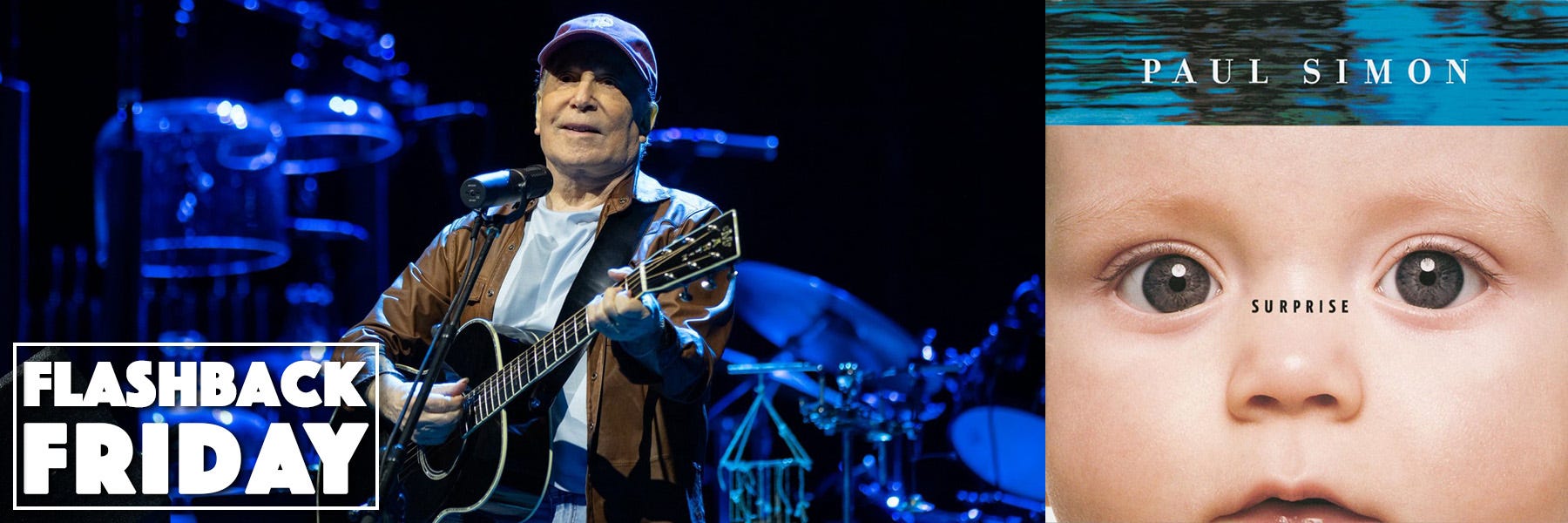
Released in 2006, Surprise represented a fascinating, late-career metamorphosis for Paul Simon. After the lukewarm reception of his Broadway venture The Capeman and the quiet, acoustic folk-leanings of You’re the One, Simon seemed to be searching for a way to modernize his sound without losing his lyrical DNA. The result was a sonic pivot that felt both jarring and inevitable. By collaborating with the legendary ambient pioneer Brian Eno, Simon didn’t just “plug in”; he submerged his intricate songwriting into a landscape of electronic textures, “sonic landscapes,” and digital jitter, proving that a 64-year-old folk icon could still inhabit the cutting edge.
At the heart of the album’s creation was the unlikely pairing of Simon and Eno. The two were introduced by a mutual friend, composer Philip Glass, and their working relationship was defined by a division of labor: Simon brought the songs, the guitar, and the words, while Eno provided what the credits call “sonic landscape.” This wasn’t a standard producer-songwriter dynamic; it was a collision of worlds. Joining them was a powerhouse band that bridged the gap between jazz-fusion and rock, featuring drummer Steve Gadd, bassist Abraham Laboriel, and guitarist Bill Frisell. This ensemble brought a rhythmic sophistication that allowed Simon’s complex time signatures to feel fluid even when Eno’s electronic treatments made the air feel thick with static.
Upon its release, Surprise was met with a mix of awe and mild confusion. Critics were largely impressed by Simon’s willingness to experiment, with many noting that it was his most vital work since Graceland. It was viewed as a “comeback” of sorts—not in terms of commercial dominance, but in terms of relevance. Culturally, the album arrived in a post-9/11 world, and tracks like “Father and Daughter” and “How Can You Live in the Northeast?” captured a specific American anxiety. Simon managed to weave themes of aging, spirituality, and national identity into a digital tapestry that felt remarkably current.

While many of his peers from the 1960s were settling into “standards” albums or acoustic retrospectives, Simon leaned into the friction of the moment leading by example for how a “legacy artist” should age. Surprise didn’t fit the clean pop aesthetics of the mid-2000s; instead, it stood alongside “late-career renaissance” works from artists like Johnny Cash or Bob Dylan, though Simon was the only one attempting to do so with a more modern musical foundation. By collaborating with Eno and embracing digital aesthetics, he signaled that curiosity—not nostalgia—is the only way to remain culturally relevant.
Critics at the time frequently compared the Simon-Eno pairing to Eno’s work with U2 on Achtung Baby. There was a sense that Simon was attempting to “re-skin” his soul. Culturally, the record served as a bridge: it showed that the “Value System” of the 1960s—focused on literate, complex songwriting—could survive and even thrive when submerged in the chaotic, glitchy aesthetic of the 21st century. It wasn’t just an album; it was a successful experiment in staying relevant without sacrificing depth.
Side Note: After listening to the record again with fresher ears, I am surprised (pun intended) that I didn’t notice the similarities with some of Peter Gabriel’s work since So. Eno’s work with Peter over the years, plus his natural attraction to what is novel in any form for inspiration, acclimated him to the use of technology. This record from Paul Simon feels similar in that he brings to bear his usual deep and thoughtful lyrics but layers them over a completely new sonic palette.
While Surprise might initially seem like a radical departure due to its electronic sheen, it is deeply rooted in the same DNA that defines his entire catalog. At its core, the album maintains Simon’s career-long obsession with the “rhythm-first” songwriting approach. Much like the way he built Graceland around South African mbaqanga or The Rhythm of the Saints around Brazilian percussion, Surprise uses rhythm as its foundation—only this time, the “drums” are often digital pulses and synthetic glitches provided by Eno. Thematically, the record is a direct descendant of his later-period works, such as You’re the One, continuing his introspective exploration of aging, spiritual uncertainty, and the social anxieties of post-9/11 America.
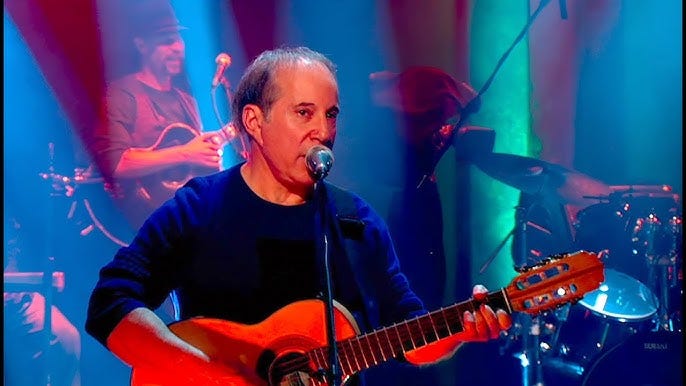
The primary difference between Surprise and the rest of Simon’s discography lies in the sonic “architecture” of the songs. For decades, Simon was associated with organic, woody textures—acoustic guitars, brass, and hand percussion. Surprise swaps that warmth for what Eno famously calls “Sonic Landscapes.” This results in a much denser, more claustrophobic listening experience. Where an album like Still Crazy After All These Years feels like a live band in a room, Surprise feels like a meticulous construction in a laboratory. The lyrics also take on a sharper, more aggressive edge; songs like “Outrageous” possess a frantic energy and a biting wit that contrast sharply with the gentle, folk-oriented pacing of his early 70s solo work.
In hindsight, the “surprise” wasn’t just the electronic textures; it was how effectively Simon used them to mirror the anxiety of the mid-2000s. Retrospectively, Surprise is Simon’s “9/11 record.” While other artists responded with overt patriotism or anger, Simon used Brian Eno’s “Sonic Landscapes” to create a sense of digital displacement and spiritual clutter. His melodies remain as sturdy as ever, but they are forced to “scurry like woodland creatures” (as one critic noted) through Eno’s industrial machinery. The electronics on tracks like “Outrageous” or “How Can You Live in the Northeast?” provide a physical sensation of the noise and stress of modern life that acoustic instruments simply couldn’t convey.
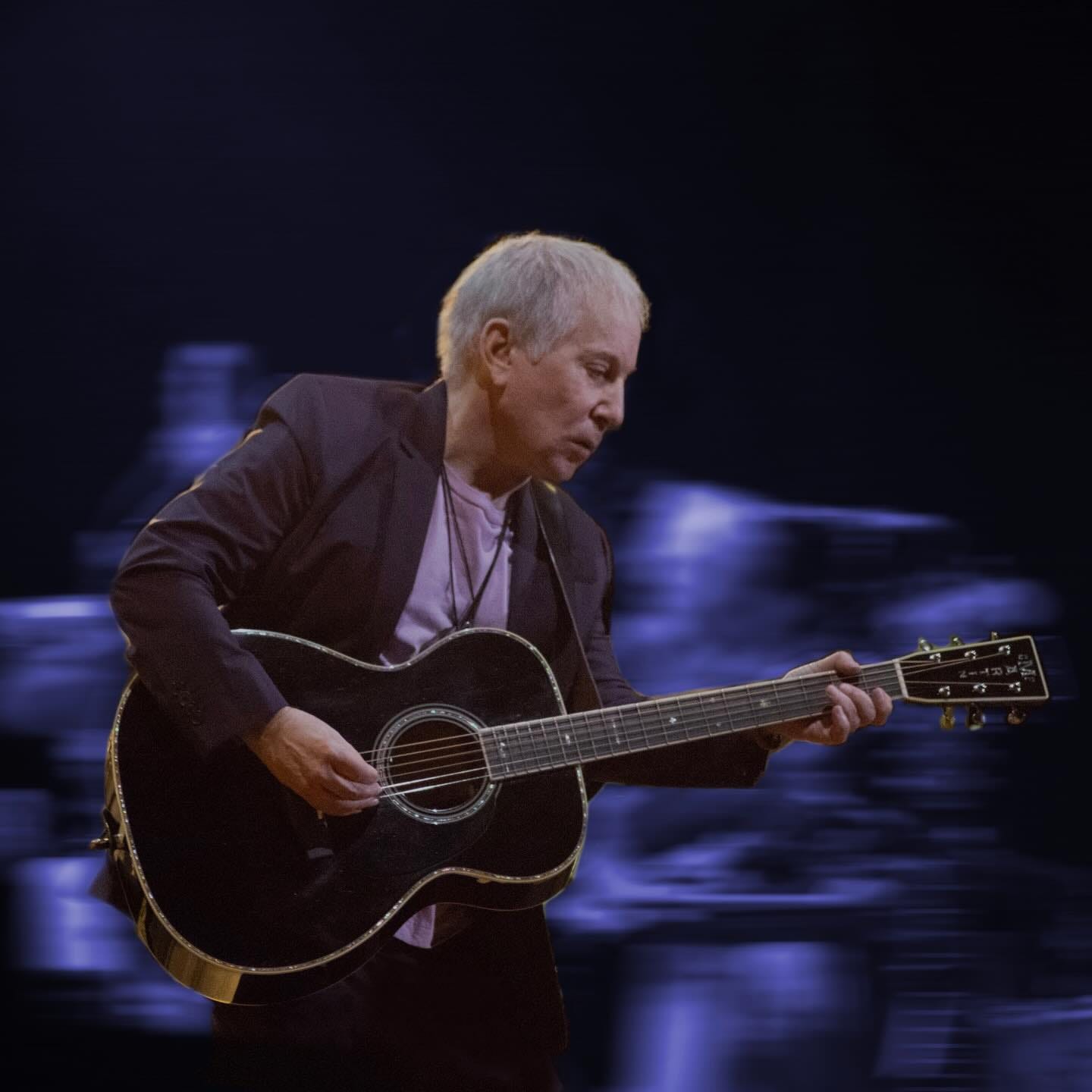
Today, Surprise is no longer seen as a weird experiment, but as a brave, successful attempt to document what it felt like to be a thoughtful human at the dawn of the digital age. It proved that Paul Simon’s voice—wry, melodic, and deeply human—could not be silenced by a machine; instead, the machine made him sound more urgent than he had in years. It remains a “mature and understated collection” that rewards the patient listener with layers of sound that reveal new meanings decades after the first spin.
This video (Paul Simon and Brian Eno’s collaboration on Surprise) provides an excellent behind-the-scenes look at the creative process between these two legends, illustrating exactly how they blended their very different musical philosophies to create the unique “sonic landscapes” discussed in this review.
The Album
Spotify:
Apple Music: https://music.apple.com/us/album/surprise/380593433
The Videos
“How Can You Live in The Northeast?” live BBC Session (plus a bunch of hits)
“Outrageous” live TV performance
Complete show from the Greek Theater in LA in 2006 supporting the record
The Artist
Be sure to check out the Audio Toxicity 2026 Bad Music Detox Protocol (AKA a playlist of songs covered so far…)