Flashback Friday: The Disconnection by Carina Round
Feb 13, 2026
More than 20 years after its initial release (Oct 2003 in the UK and March 2004 in the US), Carina Round’sThe Disconnection remains a startling, visceral masterpiece that defies the “sophomore slump.” While it was once compared to the works of PJ Harvey or Jeff Buckley, time has revealed it to be the definitive blueprint for Round’s singular career—a bridge between her raw, folk-leaning beginnings and her later role as a visionary in the worlds of experimental rock and Puscifer.
Immediate Side Note: Today’s post shares a similar origin story as last week’s FBF offering. Last Tuesday I wrote about the band Cordovas and in doing so was reminded of band member Joe Firstman’s amazing major label debut The War Of Women and decided to make that the focus of last Friday’s “Flashback Friday.” This week, I wrote about Puscifer’s latest Normal Isn’t, and consequently had a similar epiphany to re-visit band member Carina Round’s major US label debut The Disconnection.
As soon as I started digging in, I was surprised by the similarities between these two albums from 2003/2004, especially when considered in context of the trajectories of these specific artists at the time. Both artists were in the early/mid twenties and at a crossroads which proved to be the precipice of potential, but somewhat unrealized stardom. Ultimately, both artists opted to pursue a path more inline with their specific flavor or artistic expression, rejecting major label strings in favor of a harder-earned, but more fulfilling later career. Most importantly for me, both of these records were in heavy rotation during my long Silver Lake <-> Santa Monica LA commutes at the time.
The Disconnection is an album of violent contrasts. Produced by Gavin Monaghan, it captured a 24-year-old Round moving away from the “girl with a guitar” archetype and into a space that felt dangerous and avant-garde. The opening track “Shoot” serves as a warning shot, with its jagged, clattering drums and Round’s “howling banshee” vocals. “Into My Blood” remains a career highlight—a driving, alt-rock anthem that manages to be both physically punishing and melodically infectious.
Tracks like “Lacuna” and “Paris” showcase a sophisticated, cabaret-jazz influence, utilizing brass and discordant piano to create a “dirty glamour” aesthetic that felt years ahead of the mid-2000s indie scene. The album closes with “Sit Tight” and “Elegy,” sprawling pieces that highlight Round’s incredible vocal control, shifting from a fragile whisper to a spine-chilling belt that feels like an emotional exorcism.
Looking back, The Disconnection was the moment Round “found herself.” If her debut, The First Blood Mystery, was a tentative exploration of her talent, this record was its full realization, and it proved she couldn’t be easily pigeonholed. It blended blues, post-punk, and experimental pop, a versatility that later allowed her to seamlessly integrate into Puscifer and collaborate with legends like Dave Stewart and Annie Lennox.
If you missed this record in 2004, it’s a necessary correction for any fan of dark, expressive alternative music. To understand The Disconnection, you have to look at an artist who felt she had nothing to lose because she was essentially “groping for meaning” in a world that hadn’t yet caught up to her. Unlike many alt-rock albums of its era that feel “over-produced,” the minimalist yet punchy production of The Disconnection has aged remarkably well. It sounds just as “scary” and beautiful today as it did when released. It remains her magnum opus—a record that sounds like someone tearing themselves apart and putting the pieces back together in a more interesting shape.
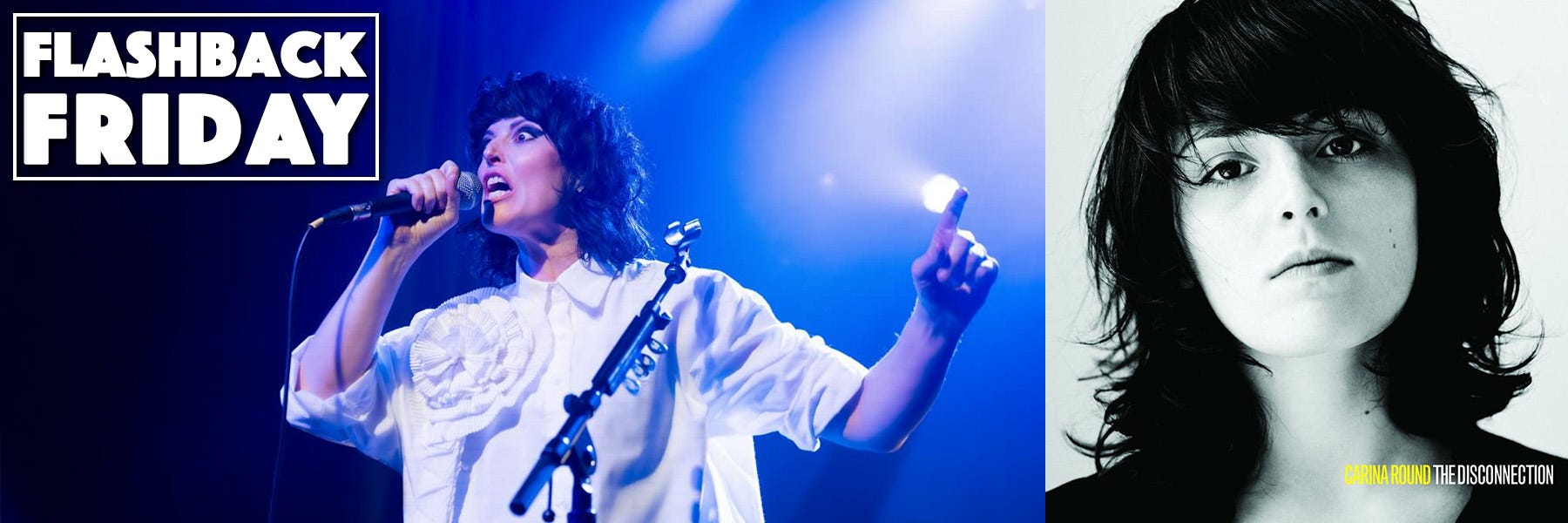
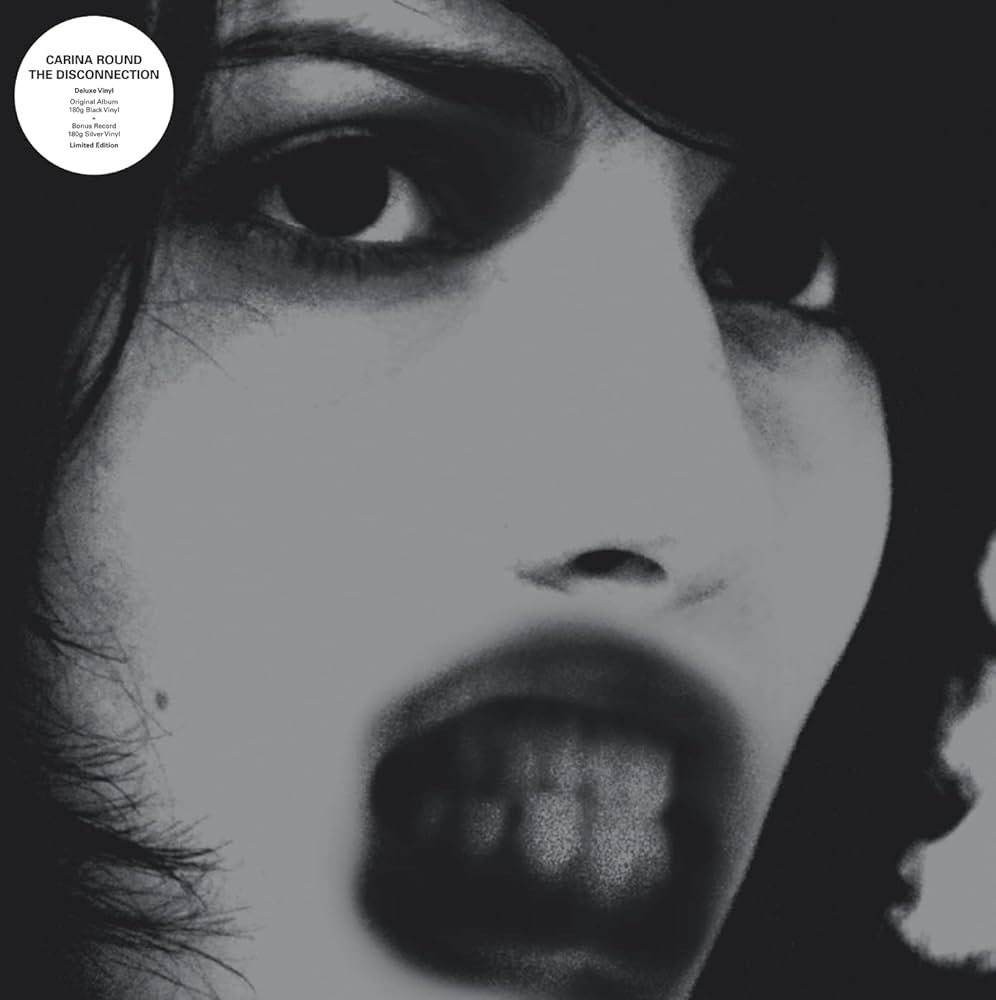
Side Note: The original UK cover, a disturbing, distorted black-and-white shot, that matched the lyrical themes of alienation and bodily obsession, established Round as an artist who prioritized emotional truth over marketability—a stance that has earned her a fiercely loyal “cult” following. Unfortunately, as is often the case, her US label, Interscope Records, opted for a prettier album cover image so as to not offend the “delicate sensibilities” of US consumers who, ironically, were likely not even close to the target audience for the record. ATTN: music corporations… TRUST YOUR ARTISTS’ VISION (it’s why you signed them in the first place)!
In 2023 and 2024, Round celebrated the album’s 20th anniversary with a sell-out direct-to-fan campaign and a live concert film. In the process, Round noted a massive shift in how she perceives these songs.
“I’ve matured into myself a lot more. I feel like I’ve lived the songs now. Back then, it was a raw and unselfconscious processing of a young girl finding her voice.”
This resurgence proved that the record isn’t just a relic of the early 2000s; it still breathes.
She credits her time with Maynard James Keenan in Puscifer for teaching her that collaboration doesn’t have to be “painful” or “micromanaged” to be brilliant. But The Disconnection remains the essential document of her “blind leap into bold hope”—a record made by someone who was willing to set their old life on fire to see what would grow from the ashes.
Thanks for reading! Subscribe for free to receive new posts and support my work.
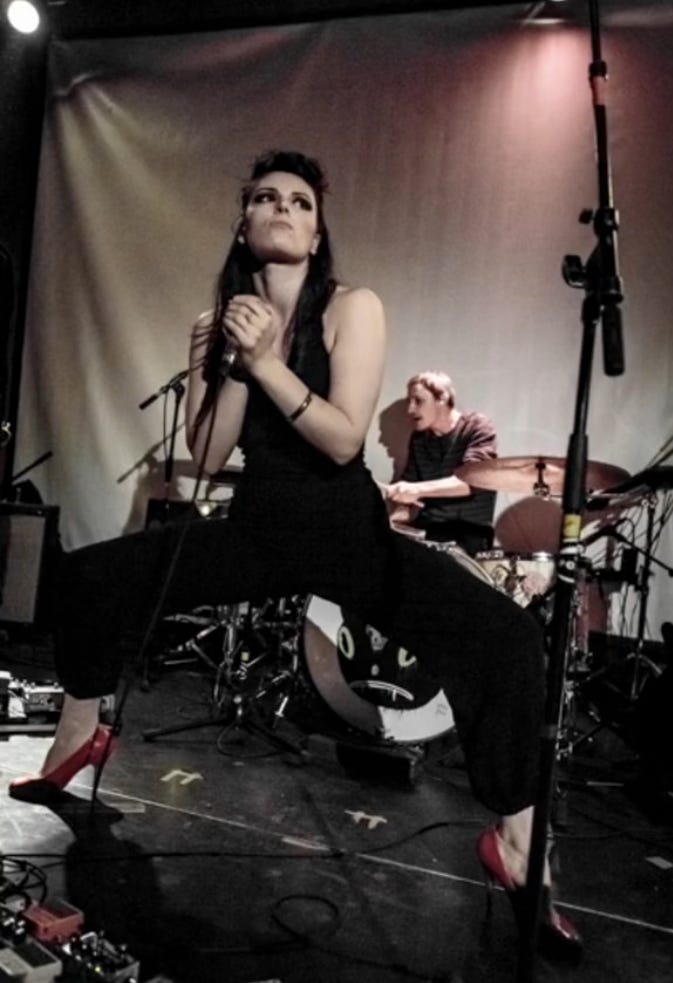
As mentioned above, a live concert film was produced so there is little in the way of live video available on YouTube, but I did find this fan shot full show from the San Francisco stop of “The Disconnection XX” tour, which gives you a glimpse into just how good the songs, and Carina herself, continue to be.