

Flashback Friday: The Reality Of My Surroundings by Fishbone
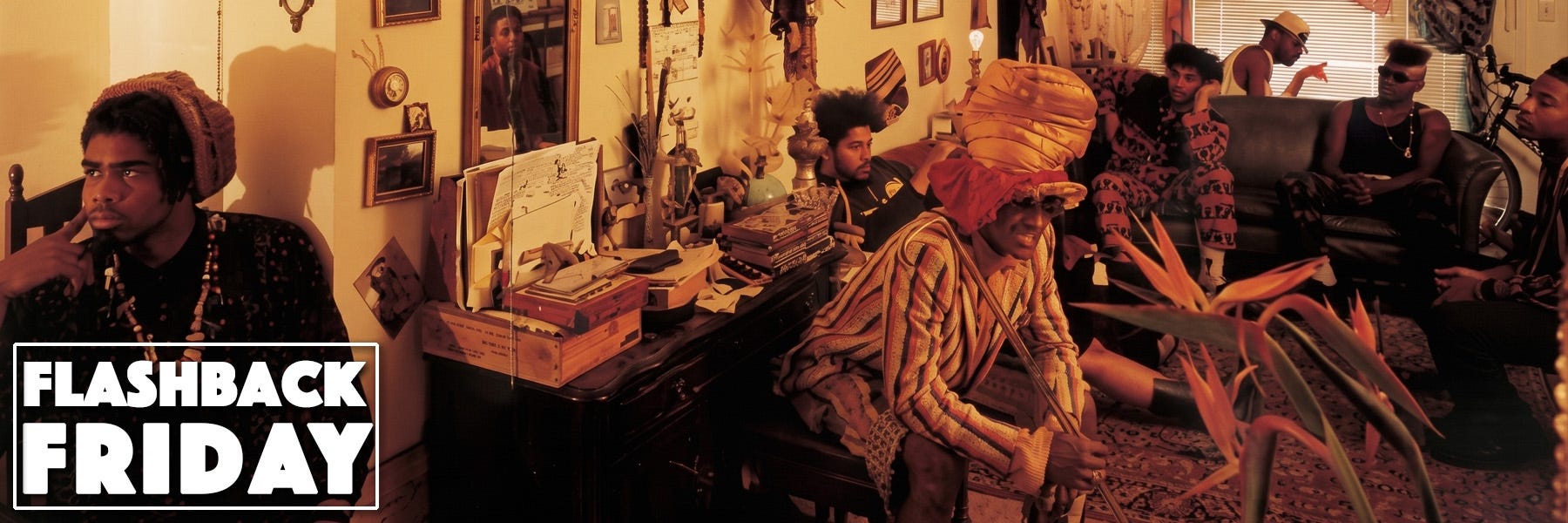
Released in 1991, The Reality of My Surroundings stands as the magnum opus of Fishbone, a band that defied every pigeonhole the music industry tried to trap them in. At the time of its release, the album represented a pivotal transition from the hyper-kinetic ska-punk of their youth toward a massive, sprawling fusion of heavy metal, funk, soul, all served with a heavy dose of social commentary. It was the moment Fishbone proved they weren’t just a “party band” from South Central Los Angeles, but a sophisticated musical powerhouse capable of capturing the chaotic pulse of Black America at the dawn of the 90s… and did so to the delight of discerning music fans from all cultures. This record remains one of my all time favorites to this day!
The brilliance of the record stems from the unique chemistry of its founding members, who met as teenagers in the late 1970s. Bused from their neighborhoods in South Central to the predominantly white Junior High schools of the San Fernando Valley, the band was forged in a crucible of cultural displacement.
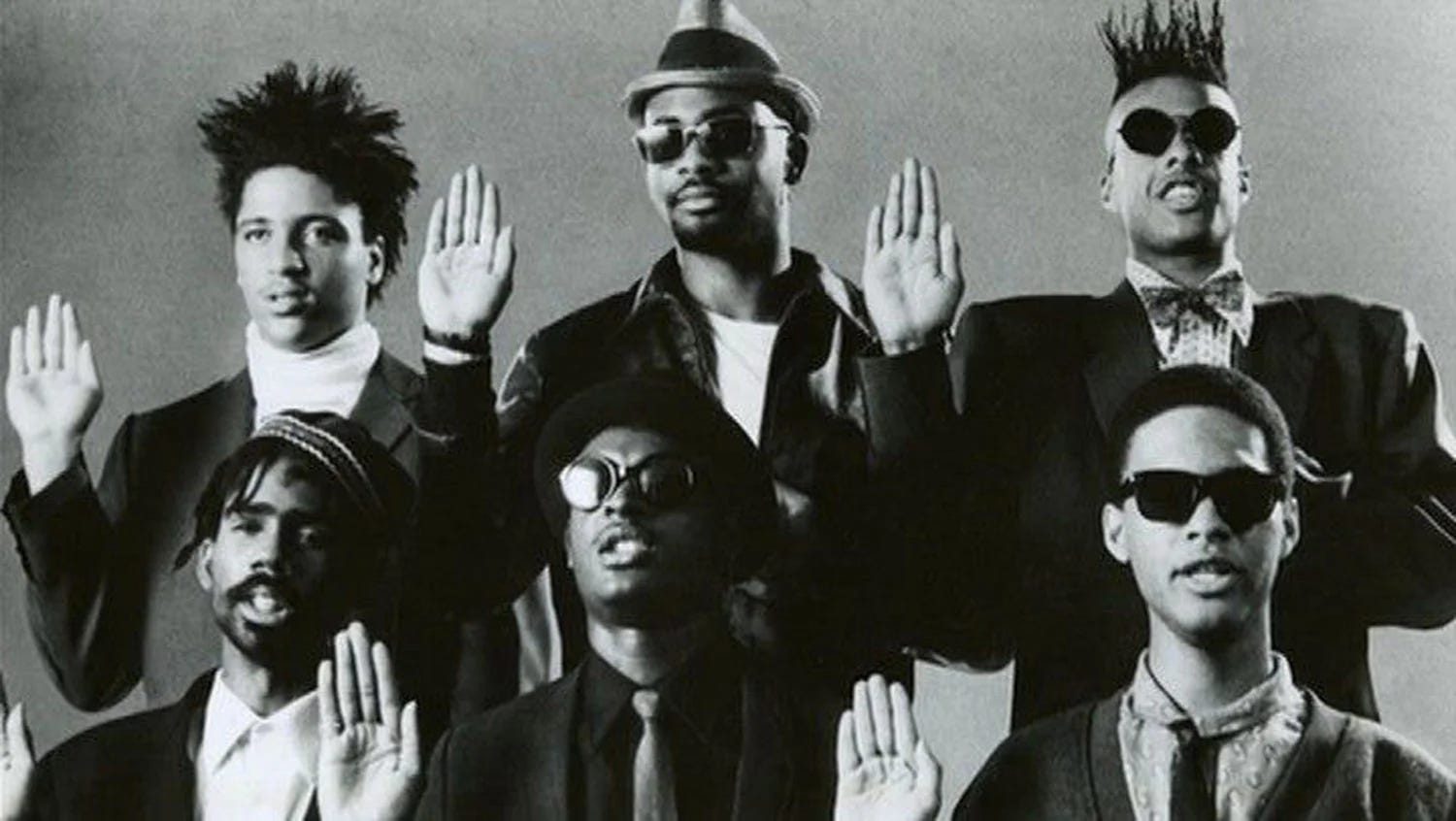
Culturally, The Reality of My Surroundings arrived at a flashpoint. Released just a year before the 1992 L.A. Uprising, the album’s lyrical content—specifically in tracks like “Fight the Youth” and “So Many Millions“—felt prophetic. It addressed systemic racism, urban decay, and the loss of innocence with a frantic energy that matched the tension of the era. The album’s visual identity, including the iconic “Sunless Saturday” video directed by Spike Lee, cemented Fishbone as a vital voice in the “Black Rock” movement alongside peers like Living Colour and Bad Brains.
Upon its release, the album was a critical darling. Critics praised its dizzying variety, as it jumped from the gospel-infused “Everyday Sunshine” to the punishing metal riffs of “Pressure.” It was the band’s most successful commercial outing, peaking at #49 on the Billboard 200, and for a brief moment, it seemed Fishbone would become the biggest band in the world.
However, the industry struggled to market a band that was “too rock for R&B radio and too Black for rock radio.” While they influenced an entire generation of bands—from No Doubt to the Red Hot Chili Peppers—Fishbone never achieved the mainstream superstardom this album deserved. Decades later, The Reality of My Surroundings remains a masterpiece of maximalism, capturing a band at the absolute peak of their technical powers and creative fearlessness.
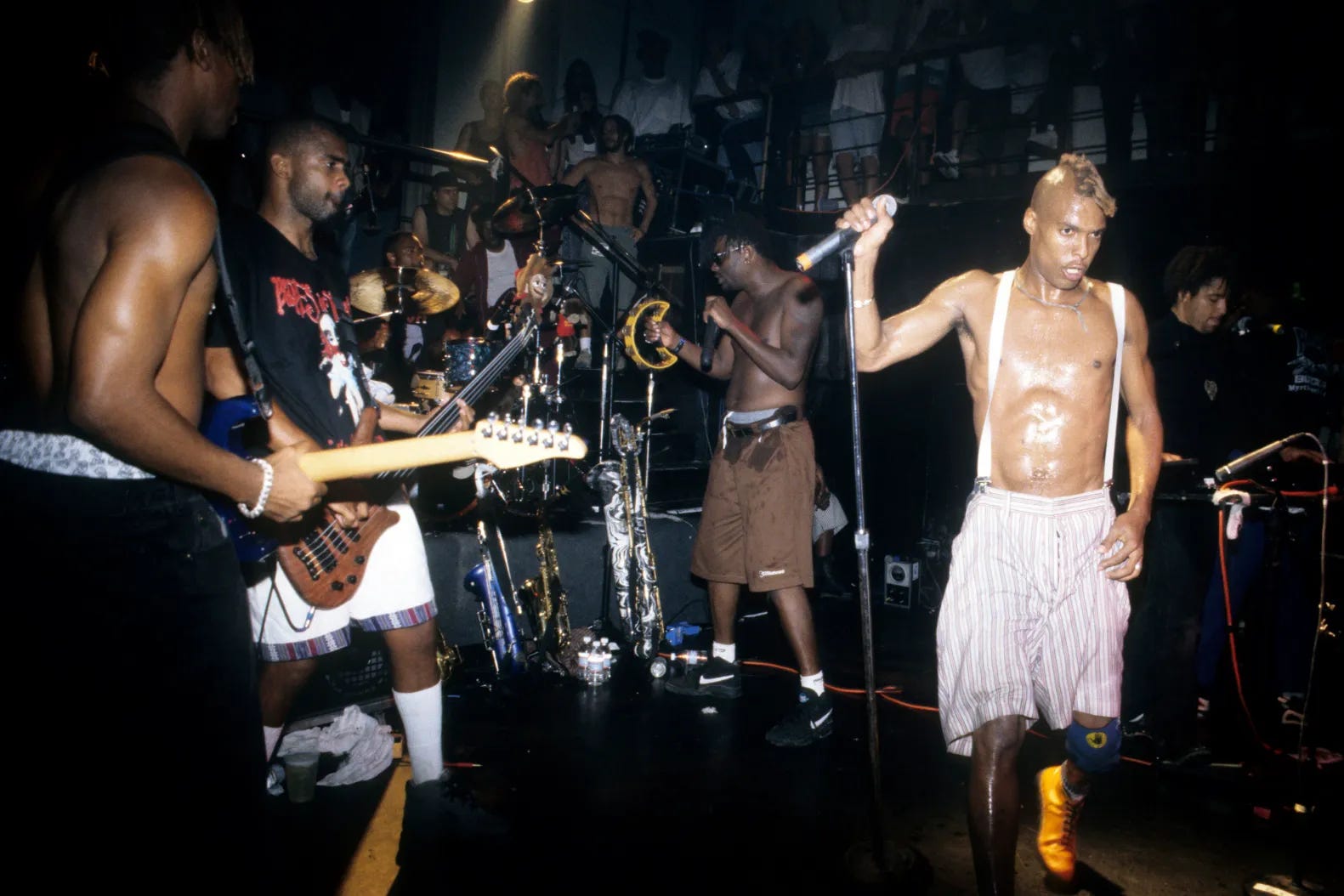
1991 is often cited as the “Year Rock Broke,” a seismic shift in the musical landscape where the excess of 80s hair metal was incinerated by the raw, earnest energy of the underground. The Reality of My Surroundings was released into an incredibly crowded and competitive field of landmark albums that redefined the mainstream.
Between August and September of 1991, a string of albums were released that would dominate the decade. Fishbone’s record arrived in April, acting almost as a herald for the chaotic genre-blurring to come. Nirvana’s Nevermind, Pearl Jam’s Ten, and Soundgarden’s Badmotorfinger all landed in late 1991. While Fishbone was from L.A., they shared the “alternative” DNA of these bands—a rejection of polish in favor of raw, visceral expression.
Fishbone’s closest sonic relatives, the Red Hot Chili Peppers, released Blood Sugar Sex Magik in September. While both bands emerged from the same L.A. scene, the Chili Peppers found massive pop success with “Under the Bridge,” while Fishbone pushed further into avant-garde and heavy metal territory, which proved harder for radio to digest.
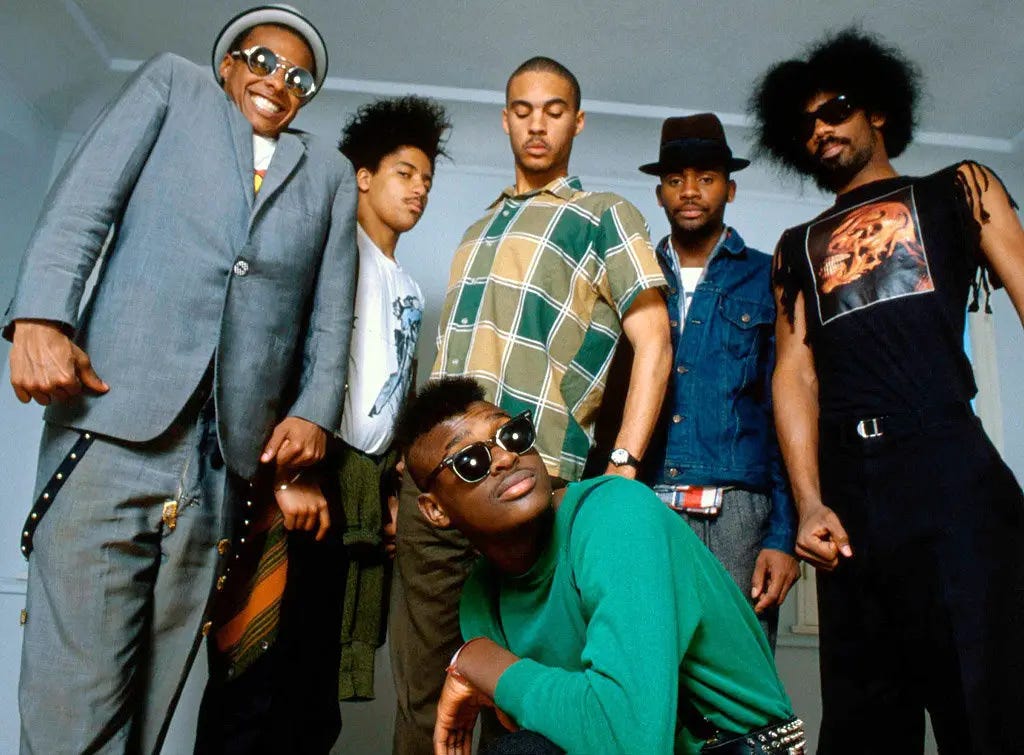
Fishbone were leaders in a specific cultural push often called the Black Rock Coalition. Along with Living Colour (who had released Time’s Up in 1990) and Bad Brains, they were fighting to reclaim rock music as a Black art form. In 1991, they were battling a record industry that was strictly segregated; labels didn’t know whether to put Fishbone in the “Urban” or “Rock” departments.
The tragedy of the era’s timing is that while 1991 opened the doors for “weird” music to become popular, it largely favored white grunge acts. Fishbone’s masterpiece was arguably more complex and musically daring than many of the multi-platinum grunge records of that year, but it lacked the narrow stylistic focus that the new MTV-driven “Alternative” market required for superstardom.
The album remains a testament to a time when the walls between metal, funk, punk, and soul were momentarily torn down, creating a sonic “surrounding” that was as beautiful as it was terrifying.
Also by 1991, the internal dynamic of Fishbone was a volatile mixture of unrivaled creative synergy and simmering psychological exhaustion. While The Reality of My Surroundings is their most cohesive musical statement, it was recorded at a time when the “brotherhood” was beginning to fray under the weight of their own intense ambitions and the pressures of the industry.
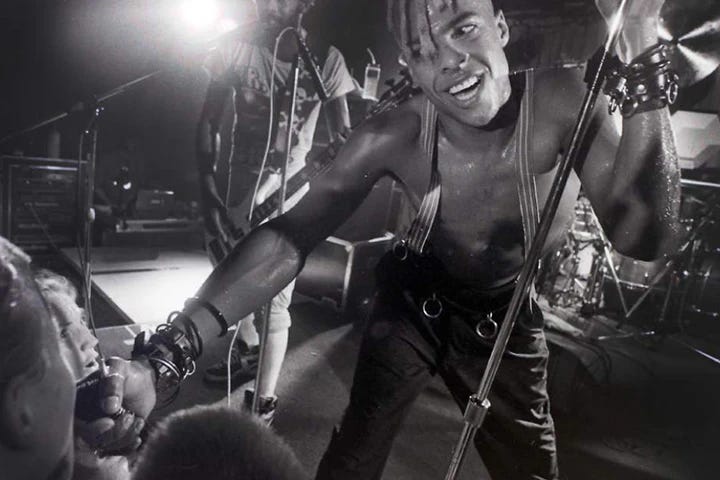
At this stage, the band operated as a true collective, which was both their greatest strength and their undoing. Unlike many bands with a single primary songwriter, Fishbone in 1991 was a “six-headed monster.” Every member was contributing at a world-class level. Kendall Jones was pushing the band toward complex, technical arrangements; Christopher Dowd was injecting soulful, sophisticated melodies; and Norwood Fisher was the rhythmic glue. This “all-in” approach meant that every song was a battleground. The sessions for Reality were famously intense, as the band struggled to fit their sprawling ideas into single tracks. You can hear this in the production—it is dense, layered, and occasionally “maximalist” to a fault.
The psychological toll of being “pioneers” cannot be overstated. By 1991, Fishbone had been touring relentlessly for nearly a decade. They were living in a strange limbo: they were the “idols” of bands like Jane’s Addiction and No Doubt, yet they were still sleeping in vans while their disciples moved into mansions.
“We were the band that everyone loved, but no one knew how to sell,” Norwood Fisher would later reflect.
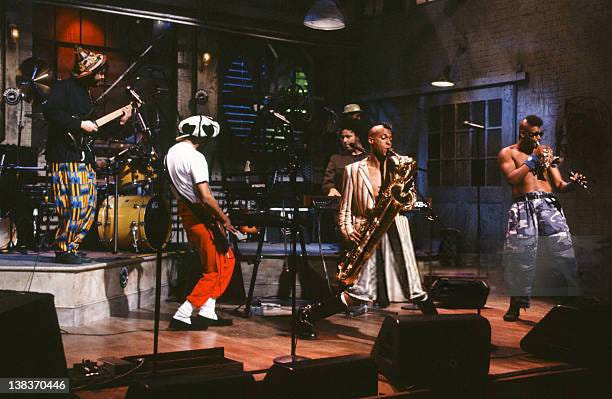
This created a “us against the world” bunker mentality, but it also bred resentment. There was a growing divide between members who wanted to lean into the pop-sensibilities of “Everyday Sunshine” and those who wanted to lean into the darker, more aggressive “Pressure.”
Each song on the record acts as a different lens through which to view “the reality” of their surroundings—moving seamlessly from the pulpit to the mosh pit, and from the street corner to the conservatory.
“Fight the Youth” is the album’s mission statement. Its strength lies in its polyphonic density; the track opens with a wall of distorted guitars and horns that feel like an approaching riot. It’s a masterclass in tension, using a driving, metallic funk rhythm to deliver a biting critique of complacency.
“So Many Millions” is a haunting, mid-tempo groove that addresses the systemic cycle of poverty and violence. Its strength is its poignant restraint. While much of the album is loud and fast, this track breathes, allowing the lyrical weight of “trying to get out of the bucket” to truly land with the listener.
“Housework” is a frantic, ska-leaning workout that serves as a bridge to their earlier sound. Its strength is its playfulness, acting as a pressure valve for an album that otherwise deals with very heavy themes.
“Pressure” is where the band leans hardest into their hardcore punk and metal roots. It is a rhythmic endurance test, featuring “Fish” Fisher’s lightning-fast drumming and Angelo Moore’s manic vocal delivery. The song’s strength is its visceral energy—it sounds like a boiler about to explode, perfectly mirroring the internal stresses the band was feeling at the time.
“Everyday Sunshine” serves as the necessary counterweight. It is perhaps the most “pure” soul song the band ever recorded, featuring soaring gospel harmonies and a buoyant horn arrangement. Its strength is its sincerity; in an era defined by grunge’s irony and nihilism, Fishbone dared to release a track of unalloyed, technicolor hope.
“Naz-Tee May’en” is pure, uncut P-Funk worship. Its strength is its infectious rhythm; it’s a reminder that beneath the political anger and technical complexity, Fishbone was still one of the tightest dance bands on the planet.
“Sunless Saturday” is widely considered the album’s crown jewel. Its strength is its cinematic atmosphere. Kendall Jones’s guitar work here is legendary, utilizing a haunting, phased tone that perfectly captures the “gray” feeling of urban depression. The song builds to a frantic, apocalyptic crescendo that remains one of the most powerful moments in 90s rock.
In hindsight, The Reality of My Surroundings captures the exact moment before the band’s implosion. It is the sound of six brilliant, disparate personalities holding onto each other with white-knuckled intensity, producing something magnificent just before the centrifugal force of their individual brilliance pulled them apart.
The Album
Spotify:
Apple Music: https://music.apple.com/us/album/the-reality-of-my-surroundings/158506861
The Videos
“Everyday Sunshine” Live from 9-20-1991
“Fight The Youth” Live from 9-20-1991 (same show as above)
“Sunless Saturday” Live performance from Saturday Night Live (Annoyingly subtitled in Spanish but has superior audio)
Here is their full KEXP performance from 2025. They didn’t perform any songs from the record discussed above, but still a fantastic performance (They also have a KEXP performance in 2016 with more of the original lineup, but I thought these were better).
The Band
The 1991 Line-up:
Angelo Moore: The manic, theremin-playing frontman and saxophonist.
Kendall Jones: The virtuosic lead guitarist who brought a heavy rock edge.
Norwood Fisher: The bassist whose slap-heavy foundations anchored the chaos.
Philip “Fish” Fisher: The drummer and Norwood’s brother.
Walter Kibby II (”Dirty Walt”): Trumpeter and vocalist.
Christopher Dowd: Keyboardist, trombonist, and a soulful vocal counterpoint to Moore.
Be sure to check out the Audio Toxicity 2026 Bad Music Detox Protocol (AKA a playlist of songs covered so far…)