

Flashback Friday: “The War Of Women” by Joe Firstman
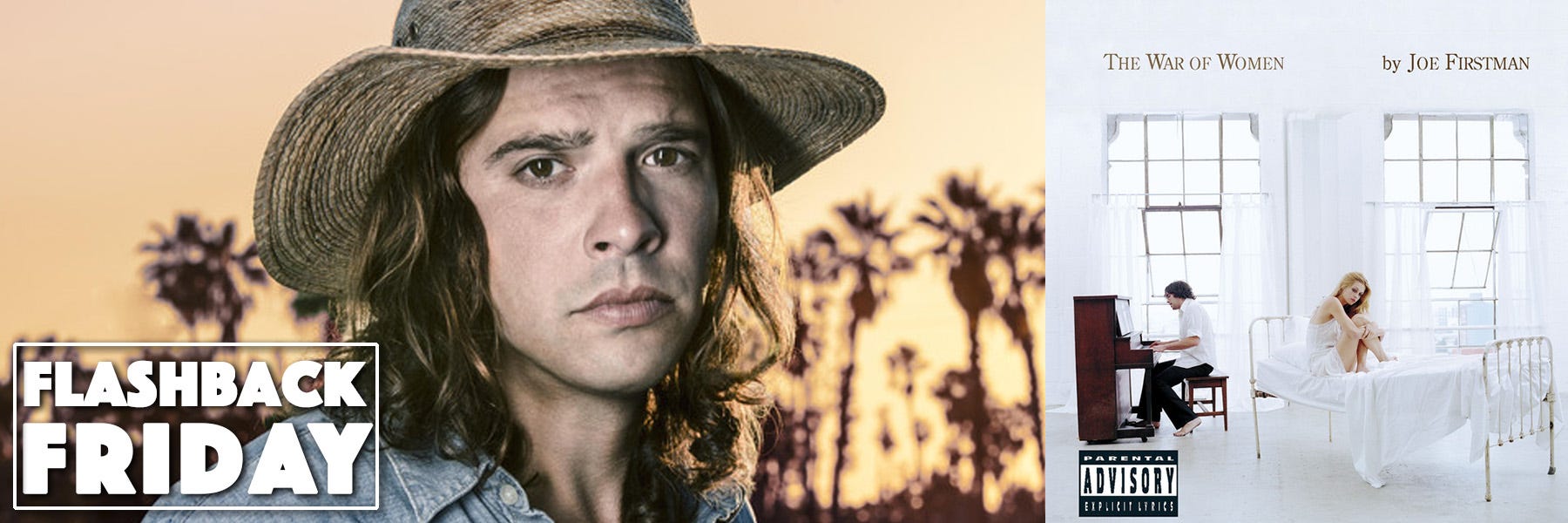
In 2003, Joe Firstman’s The War of Women provided a fantastic example of a young man trying to conquer a city with nothing but a piano and a suitcase full of ambition. I mentioned this record briefly in my Song of the Day post from Tuesday February 3, 2026 about Cordovas (https://www.audiotoxicity.com/p/song-of-the-day-higher-every-time) and was reminded just how amazing this album is, so… Hello Flashback Friday!
Now, nearly 23 years later, the album feels like a fascinating time capsule of a specific moment in the music industry—the tail end of the “major label boom” where an artist from North Carolina could still be handed a massive budget to create a grandiose, pop-rock masterpiece.

Time has been remarkably kind to the record’s musicality, though it has revealed the “false shell” that Firstman himself now reflects on. In 2003, he was being marketed as a piano-rock savior somewhere between Elton John and a Southern-fried Bruce Springsteen. Today, the album stands up not as a “pop” artifact, but as a near-perfect specimen of song structure and production. Tracks like “Can’t Stop Loving You” and “Now You’re Gorgeous, Now You’re Gone” possess a structural integrity that many of his contemporaries’ offerings lacked; these songs aren’t just catchy, they are architecturally sound without diminishing the artist’s greatest strength… great storytelling.
However, listening today also highlights the frantic energy of a 23-year-old trying to say everything, all at once. Firstman has admitted in recent years that he was “a drunken nightmare” during that era, and you can hear that chaotic friction in the songs. The album’s legacy isn’t that it made him a superstar—which it briefly threatened to do—but that it proved his undeniable caliber as a writer, even when the industry machinery around him was beginning to sputter.
The road from solo artist with his face on a Times Square billboard to the founder of Cordovas was paved with “catastrophic failure,” as Firstman calls it. The circumstances of his evolution were born from exhaustion and a search for authenticity. After Atlantic dropped him in 2005, Firstman spent four years as the bandleader for Last Call with Carson Daly. While that kept him at the center of the LA scene, playing with future legends like Kamasi Washington and Thundercat, the nightly grind of network TV eventually “blew him out.”
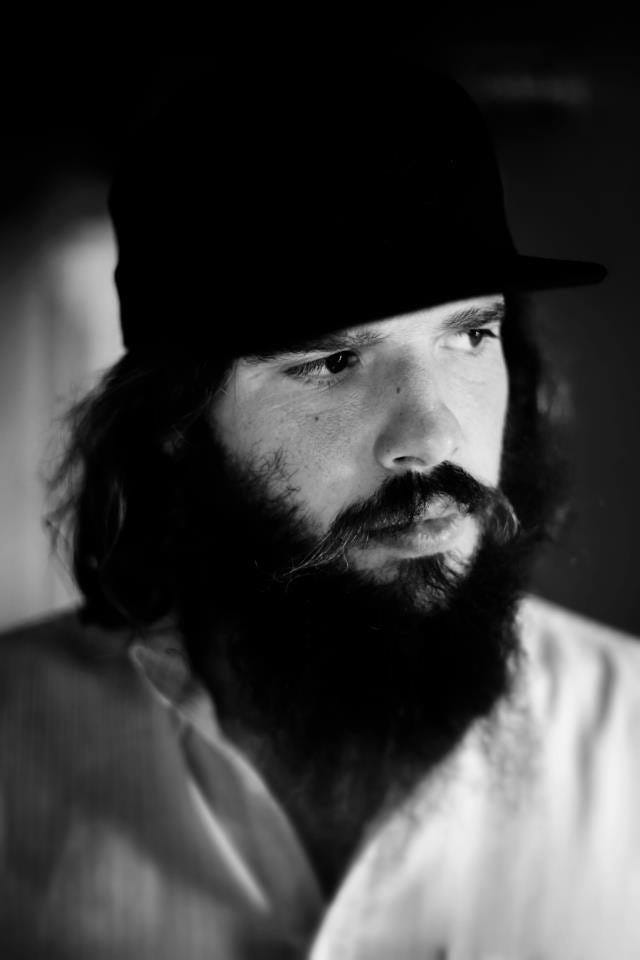
Eventually, Firstman realized he was tired of being the “lone wolf” piano man. He wanted a sound that felt more like a community and less like a solo performance. So, using the money from his TV years, he built a small home in Baja California, Mexico. This “bohemian salon” became the testing ground for a new musical philosophy: tight harmonies, communal living, and a rejection of the high-gloss Hollywood artifice.
By 2011, Firstman landed in Nashville and founded Cordovas. This wasn’t just a new band; it was a flat out rejection of the “major label” version of himself. He traded the piano-heavy ego of The War of Women for the grit and shared labor of a group that prioritizes the “cosmic American groove” over the spotlight.
Today, he views his life as a “victory” pulled from the ruins of those early lessons. His existence is now defined by “intentional community,” and has designed five houses in Todos Santos, Mexico, to serve as creative havens for musicians and travelers. His early music was characterized by a “fluid flow of mania” and a desire to reinvent the Hollywood milieu for his generation. As the leader of Cordovas, he has moved toward a “raggedly-simple” and truthful sound, valuing feel over flash. He has replaced the pressure of being a “warm-up act” for stars like Sheryl Crow with the “always-on” rehearsal of a band that lives, eats, and writes together 24/7.
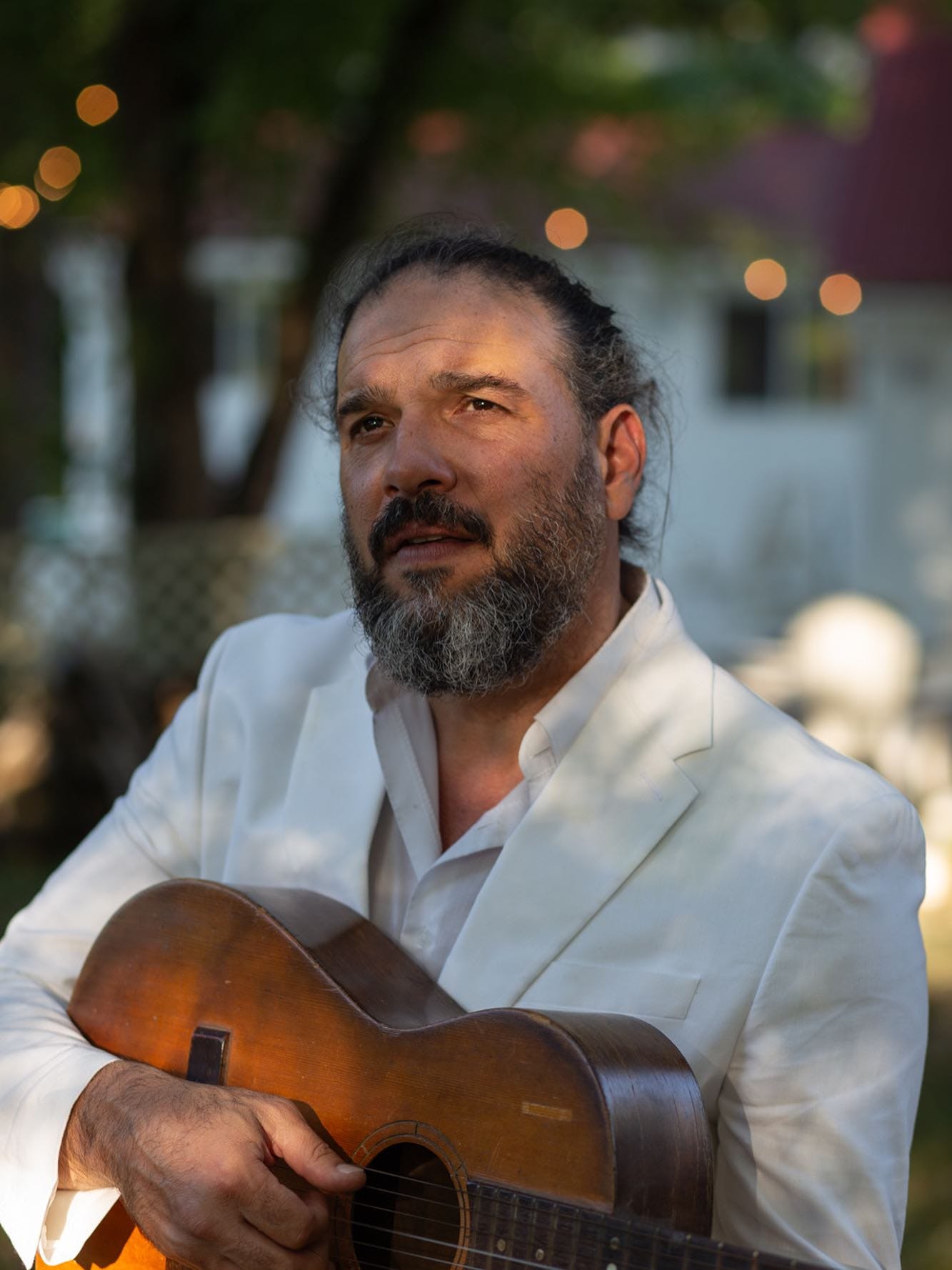
“Everything is victory as long as you can pull it out of the trash and polish it off and identify it as such.” — Joe Firstman
20+ years removed from his initial industry stint, Firstman describes himself as a “mystic classicist.” While his 2005 self was “strangled by the songs” and the weight of industry expectations, his current self views music as a “cure” and a “travelogue” through American traditions. As much as I loved the songs on The War Of Women, I’m thoroughly impressed with Firstman’s hard-earned self-awareness and willingness to exit the scene in favor of something way more artistically honest and, ultimately, more fulfilling.
The Album
Spotify:
Apple Music: https://music.apple.com/us/album/the-war-of-women/2147621
Network TV live performance on the CBS Morning Show:
Live version of “Saving all The Love”
The Artist
Very outdated official site:
Or, the updated Cordovas site: