

Flashback Friday: Wasting Light by Foo Fighters
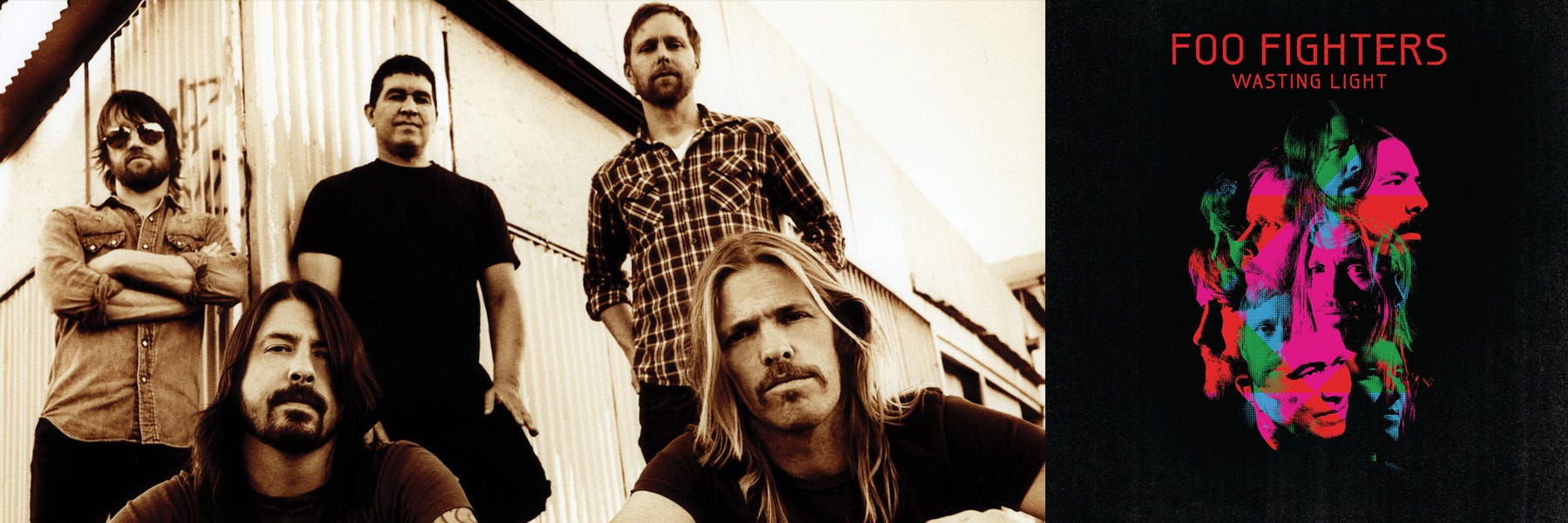
Released in 2011, Wasting Light wasn’t just another Foo Fighters album; it was a high-stakes reclamation of their identity. After years of polished, stadium-filling (but let’s be honest… softer) rock, Dave Grohl decided to steer the ship back to the garage—literally. By recording the entire project on 24-track analog tape in his home garage in Encino, California, Grohl bypassed the digital safety net of Pro Tools. This “back to basics” approach served as a powerful statement against the over-produced landscape of the early 2010s, proving that raw, visceral energy could still dominate the charts without the help of a computer.
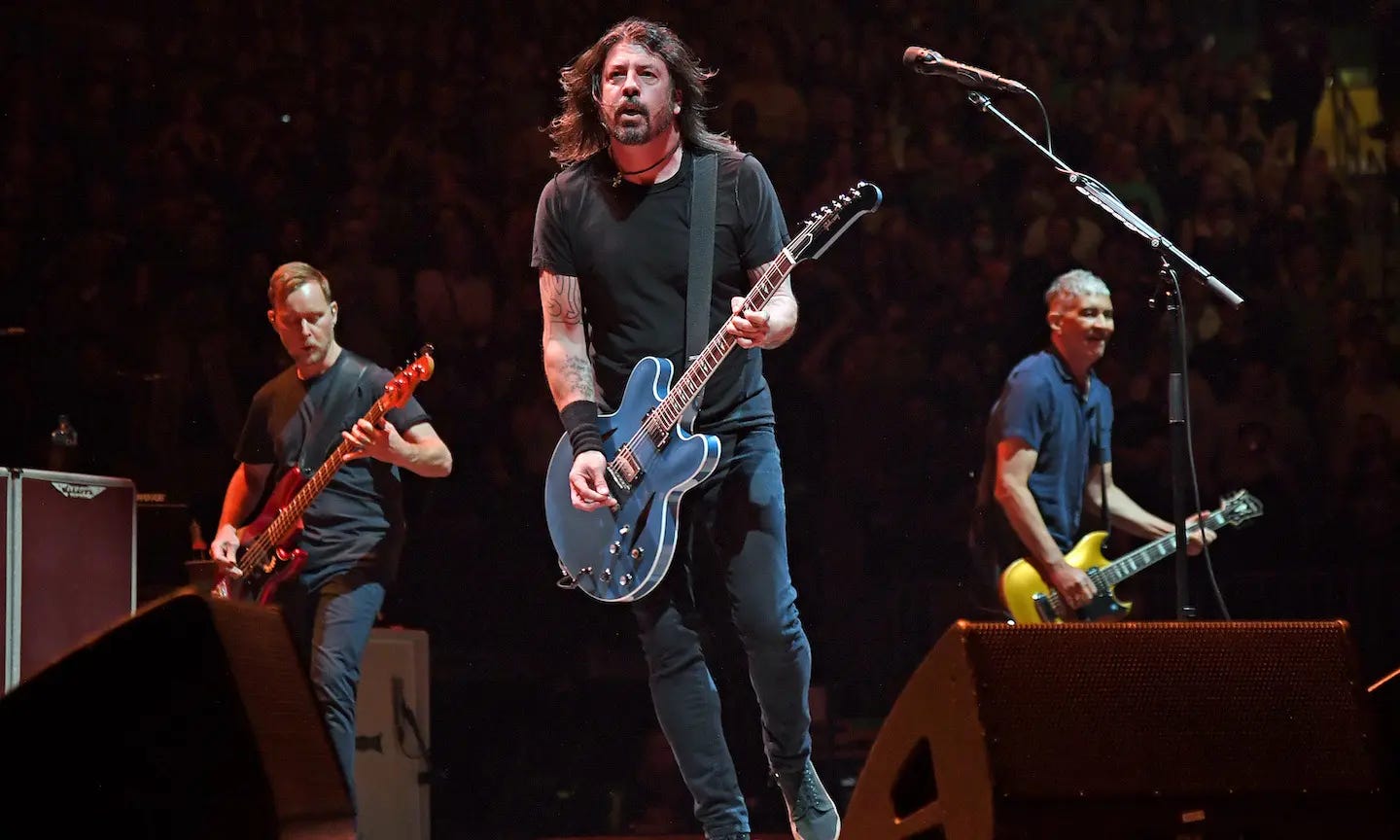
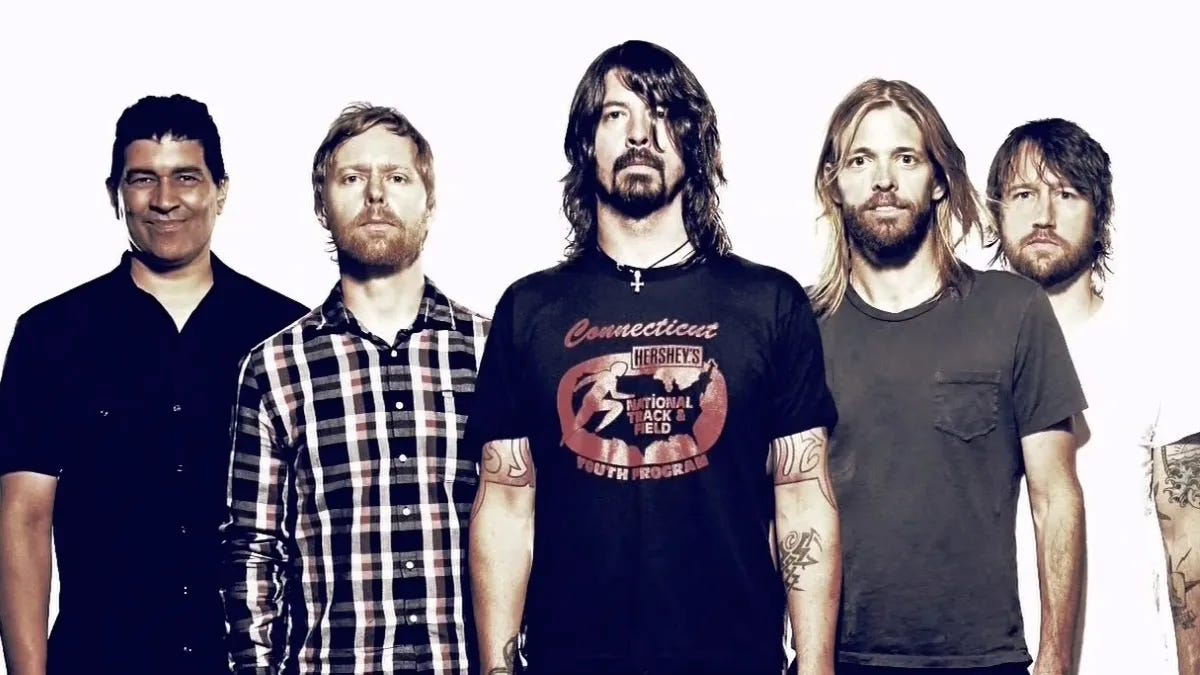
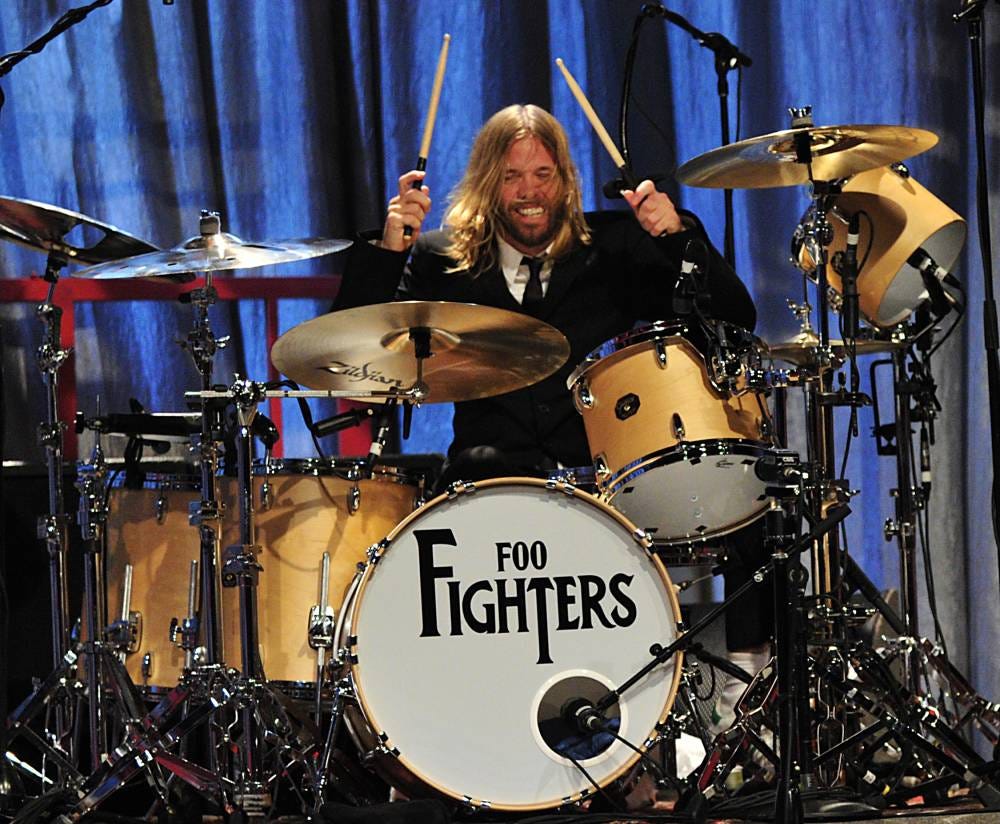
The record also marked a significant homecoming for the band’s lineup. Most notably, it saw the official return of guitarist Pat Smear, who had been a touring member for years but hadn’t appeared on a studio album since 1997. This solidified the Foo Fighters as a three-guitar powerhouse alongside Chris Shiflett and Grohl himself. The chemistry was further bolstered by the rock-solid rhythm foundation of bassist Nate Mendel and the late, legendary drummer Taylor Hawkins. Adding another layer of historical weight, Grohl reunited with producer Butch Vig, the man behind the boards for Nirvana’s Nevermind. This convergence of players felt like a full-circle moment, bridging Grohl’s past with the band’s future.
Culturally and critically, Wasting Light was a juggernaut. In an era where EDM and indie-folk were beginning to squeeze traditional rock off the airwaves, the Foo Fighters delivered a defiant reminder of the genre’s potency. Critics hailed it as their best work since The Colour and the Shape, praising tracks like “Rope” and “Walk” for their melodic grit. The album debuted at number one on the Billboard 200 and swept the rock categories at the 54th Grammy Awards, winning Best Rock Album. It proved that a middle-aged rock band could remain culturally relevant by leaning into their imperfections rather than hiding them.
Ultimately, Wasting Light redefined the Foos as “The Last Great American Rock Band.” It captured a group of veteran musicians at the peak of their powers, enjoying each other’s company and rediscovering the joy of making noise in a small room. By stripping away the digital sheen, they found a deeper connection with their audience, creating a legacy piece that remains a gold standard for modern analog recording.
To understand why Wasting Light feels like such a monumental peak in the Foo Fighters’ discography, you have to look at the “sonic sandwich” it sits in. It acted as a necessary friction point between the polished professionalism of their mid-2000s work and the expansive, concept-heavy experimentation that followed.
In the years prior, specifically with In Your Honor (2005) and Echoes, Silence, Patience & Grace (2007), the Foo Fighters had mastered the art of the “Radio Rock Anthem.” These albums were impeccably produced, often leaning into a clean, compressed sound that favored acoustic ballads and mid-tempo stadium fillers. While successful, these records occasionally felt “safe.” The grit of their 90s origins had been smoothed over by high-end studio sheen. Wasting Light was a direct reaction to this; it took that melodic sensibility and dragged it through the mud, replacing the polite production of the previous five years with a saturated, overdriven wall of sound.
Retrospectively, the music on Wasting Light possesses a specific “warmth” and “thickness” that is missing from its neighbors. Because they used analog tape, you can almost hear the room vibrating. The three-guitar attack of Grohl, Smear, and Shiflett wasn’t meticulously layered on a computer; it was a captured performance. This resulted in tracks like “Rope” and “White
Looking at what came after, Wasting Light was the last time the band let the songs speak entirely for themselves without a surrounding “gimmick” or high-concept framework. Sonic Highways followed in 2014 and took the band into a much more cerebral, documentary-style approach with an actual companion HBO documentary. The songs were tied to a specific city and American musical history, with an episode of the show dedicated to each, often with a guest artist, resulting in longer, more progressive structures that felt more like “tributes” than raw garage rock.
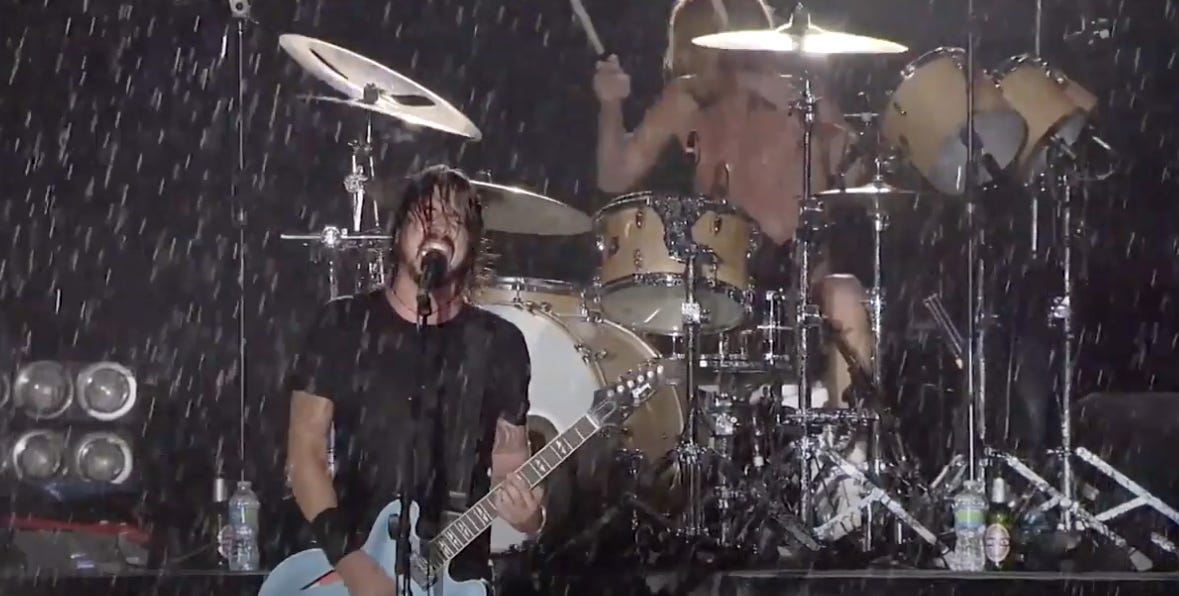
In hindsight, Wasting Light remains the definitive “Pure Rock” record of their later career. It stands as the moment they stopped trying to evolve for a second and simply decided to be the best version of the band they had always been. While later albums are fascinating for their ambition, Wasting Light is the one fans return to when they want to hear the Foo Fighters at their most visceral and undiluted.
By 2011, the “rock” moniker was being claimed by two distinct camps. On one side, there was a massive wave of Indie and Folk-Rock. This was the year of Bon Iver’s self-titled masterpiece and The Decemberists’ The King Is Dead. The sound of the moment was often polite, acoustic-leaning, and highly conceptual. On the other side, a raw Garage Rock revival was peaking with The Black Keys (El Camino) and The Strokes (Angles).
Wasting Light managed to bridge these worlds. It had the “cool factor” of the garage rock movement because it was literally recorded in one, yet it possessed the massive, undeniable hooks that allowed it to compete with the pop-heavy charts. While bands like Cage the Elephant and Foster the People were introducing “indie-pop” to the mainstream, the Foo Fighters were doubling down on high-gain distortion and in-your-face drums.
The record also sat in a unique historical pocket. It was the 20th anniversary of Nevermind, and the rock world was feeling particularly nostalgic. By bringing in Butch Vig to produce and featuring a guest spot from Nirvana bassist Krist Novoselic on “I Should Have Known,” Grohl wasn’t just making a new album; he was reclaiming the throne of 90s alternative.
At a time when other veteran bands like R.E.M. were calling it quits (their final album, Collapse Into Now, also dropped in 2011), the Foo Fighters used Wasting Light to prove that longevity didn’t have to mean obsolescence. They didn’t try to sound “modern” by adding synths or electronic beats; they stayed relevant by being more “rock” than anyone else on the radio. It was the record that officially transitioned them from “90s survivors” to the undisputed de facto ambassadors of American Rock.
The Album
Spotify:
Apple Music: https://music.apple.com/us/album/wasting-light/456563917
The Videos
“Bridge Burning,” “Rope,” and “Dear Rosemary” Live on Letterman and presented like The Beatles to emulate their epic performance on the same stage in the Ed Sullivan Theater.
“White Limo” Featuring Lemmy from Motorhead
The Band
Be sure to check out the Audio Toxicity 2026 Bad Music Detox Protocol (AKA a playlist of songs covered so far…)