

How One Forgotten ‘90s Record Rewrote the Rules of Heavy
Flashback Friday: L. Ron by Barkmarket
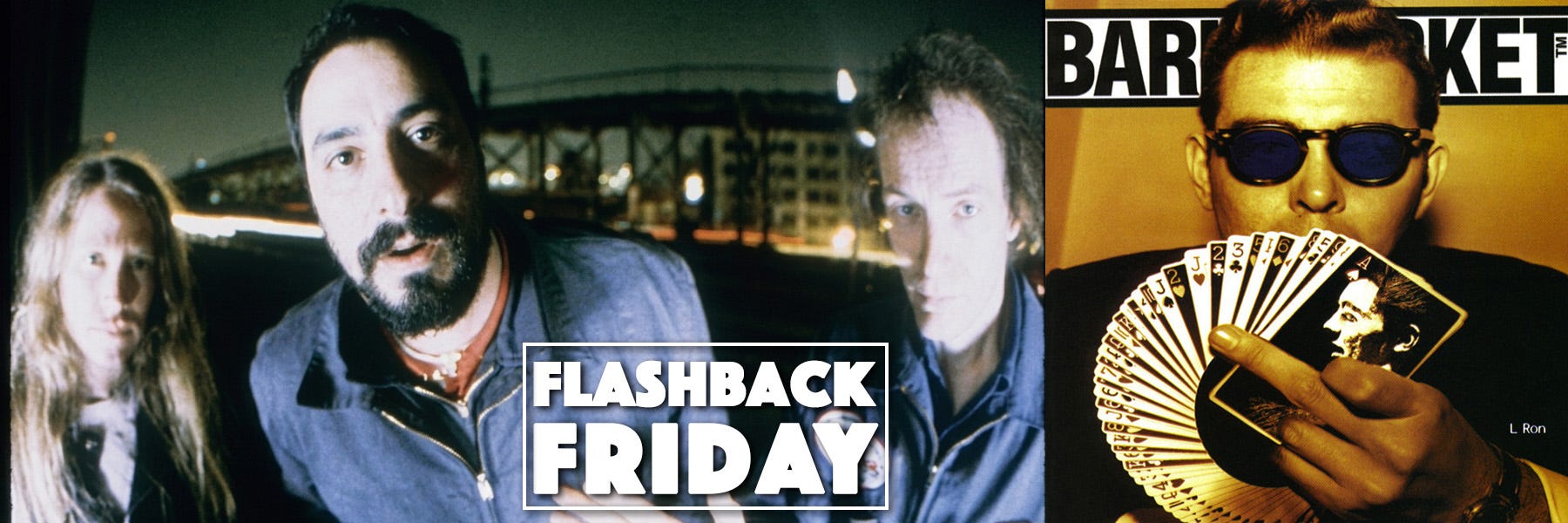
Released in 1996, L. Ron serves as the final studio statement from New York’s sludge-infused noise rock trio Barkmarket. It is an album that marks the end of a decade-long trajectory, capturing a band at the peak of their sonic refinement just as their frontman, David Sardy, began his transition toward becoming one of the most sought-after producers in modern rock.
By 1996, the landscape of heavy music had shifted dramatically. The “grunge” boom that had briefly made abrasive, underground-adjacent bands commercially viable was cooling, and the industry was consolidating.
For Barkmarket, L. Ron was a departure from the chaotic, “frenzy” style of their earlier work. While they had built their reputation on a jagged, unpredictable blend of punk, jazz, and noise—frequently compared to The Jesus Lizard, Sonic Youth, or Butthole Surfers—L. Ron felt like the work of a band that had learned how to discipline their own chaos. It was, as some critics noted at the time, arguably one of the best-sounding (and HEAVIEST) records of the time, showcasing a cleaner, more muscular production aesthetic.
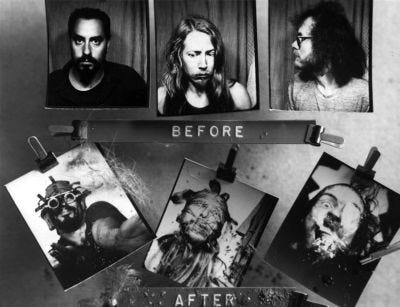
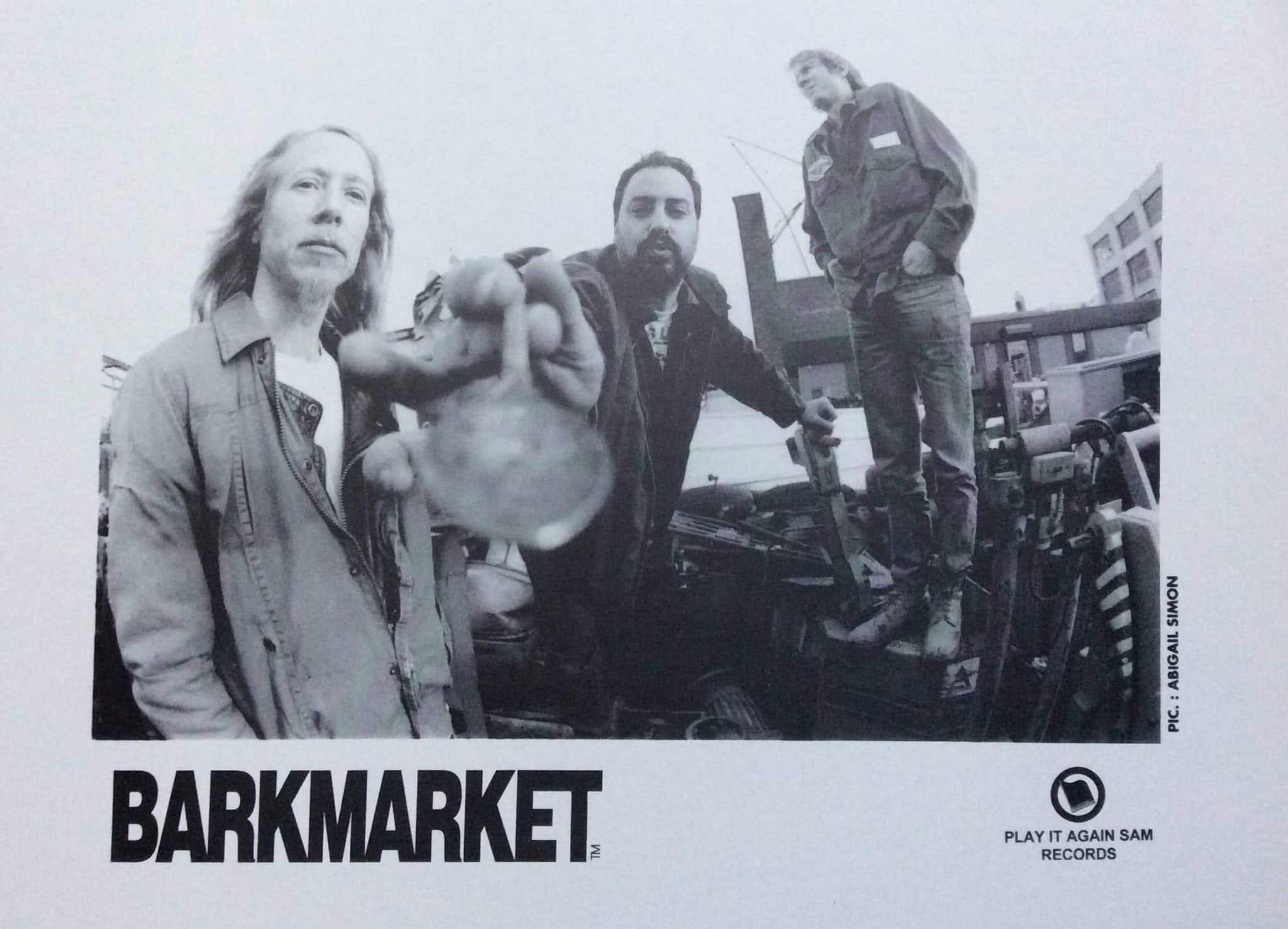
The band’s core was a remarkably stable unit for such a volatile sound… David Sardy (Vocals/Guitar/Songwriter) was the architect of the band’s sound. Sardy’s vision for Barkmarket was always marked by a high degree of “art-rock” intelligence, favoring tension and atmosphere over standard tropes.
John Nowlin on Bass was often described as the “bulldozer” of the trio. Nowlin provided the thick, low-end foundation that allowed the guitars to remain angular and dissonant without losing the song’s momentum. Rock Savage, with a name as legendary as his drumming, brought a playful, polyrhythmic sensibility to the group, preventing their music from becoming too mired in sludge.
These three had worked together since 1987. By 1996, the synergy between them was absolute; they operated not as a standard rock band, but as a singular, grinding engine. However, the internal focus was shifting. Sardy’s burgeoning talent for engineering and production was beginning to pull him toward the studio console—a move that ultimately led to the band’s quiet dissolution in 1997.
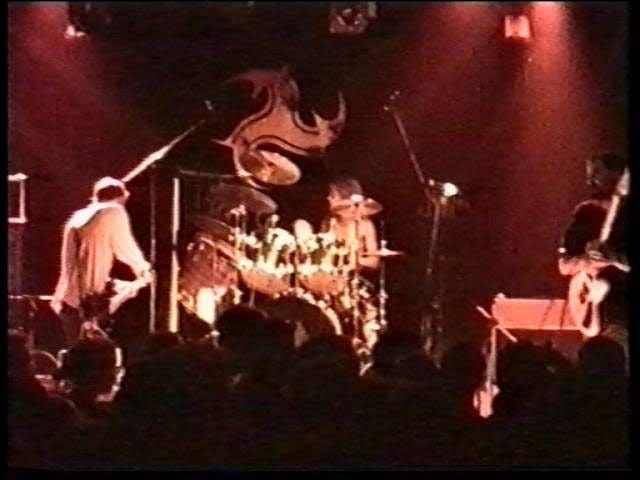
In 1996, Barkmarket was competing in a crowded, difficult market. As discussed in other recent posts, the mid-90s were the era of “post-grunge” and the creeping influence of what would become nu-metal. The underground “noise rock” scene—which included peers like Unsane and Cop Shoot Cop—was struggling to find space as major labels pivoted toward more radio-friendly, “chugga-chugga” guitar dynamics.
L. Ron didn’t try to compete with the radio trends of the time. Instead, it leaned into the band’s strengths: aggressive, dynamic shifts, “strained yelling,” and high-fidelity noise. It also faced the challenge of being an “intellectual” heavy record in an era where the industry was looking for the next “accessible” heavy act, so no wonder no one really heard this record.
Retrospectively, L. Ron is viewed as a high-water mark for the band’s production values. It successfully bridged the gap between their experimental, noisy roots and a tighter, more “mainstream” heavy sound without selling out. For many listeners, the album remains a testament to what David Sardy was building before he famously went on to produce for the likes of Slayer, System of a Down, and score major films like Zombieland.
While the band never achieved the massive mainstream success of their contemporaries, L. Ron remains a fan favorite—a polished, punishing, and cynical sign-off from one of the most underrated groups of the 90s NYC underground.
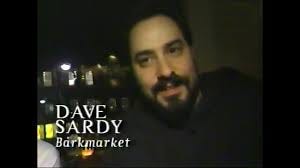
L. Ron is often cited by enthusiasts as a masterclass in production, serving as the definitive realization of Dave Sardy’s evolving studio philosophy. By the time of this 1996 release, Sardy had moved far beyond the “lo-fi” or “raw-room” aesthetic that characterized many of his noise-rock contemporaries. Instead, he treated the studio as an instrument, meticulously crafting a sound that was both punishingly heavy and remarkably clear.
Frequently cited as a production masterpiece, the album’s opener “Visible Cow” is the perfect case study in Sardy’s methods. It begins with the low-fidelity crunch of a boombox recording, which then explodes into a high-fidelity, wide-screen sonic apocalypse. It showcases his ability to transition seamlessly between intimacy and overwhelming volume. When I first heard it, it was without a doubt the heaviest sound I had ever heard on a record at that point (and that’s saying something since I had already gone through an intense hard rock and metal phase by then).
Unlike standard hard rock of the mid-90s, the album isn’t afraid of “negative space.” Sardy utilized his skills in tape manipulation—a technique he honed through years of experimentation—to create odd, unsettling textures. You’ll hear everything from haunting delta-blues-style slide guitar on certain tracks to aggressive, serrated distortion on others.
As an engineer, Sardy focused on the physicality of the instruments. The drums and bass are mixed to feel like they are occupying the same physical space as the listener. The bass isn’t just a low-end hum; it has a mid-range growl that provides the “bulldozer” momentum necessary to carry the record’s heavier, more experimental moments.
Sardy’s vocals on L. Ron are less about traditional melody and more about serving the atmosphere of the song. He moves with ease between melodic crooning, providing a haunting, almost fragile counterpoint to the heavy instrumentation, to strained yelling, the familiar Barkmarket “scowl,” which carries a sense of urgent, cynical distress.
The lyrics, as noted by critics of the time, are filled with “distended poetry” and dark humor. They are often surreal and evocative, touching on themes of alienation and social decay with an undercurrent of irony. Lines like those in “The Visible Cow”—where he sings about a “handgun made out of glass”—perfectly encapsulate the band’s penchant for the absurd and the threatening.
In many ways, L. Ron was the final exam for Sardy. It was his last statement as an artist before he fully committed to being the man behind the board for bands like Slayer and System of a Down. If you listen to it today, you can hear the DNA of those future high-gloss, high-impact productions—it is the sound of a band that learned how to be “heavy” without relying on the generic, radio-friendly “chug” that was beginning to define the era.
It remains a rare document of a band that managed to stay true to its weird, experimental impulses while achieving a level of sonic fidelity that most of their underground peers could only dream of.
The Album
Spotify:
Apple Music: https://music.apple.com/us/album/l-ron/1444087685
The Videos
“Visible Cow”
“Feed Me”
Live from the Dragonfly in LA
The Band
https://www.facebook.com/profile.php?id=100030791186963
Be sure to check out the Audio Toxicity 2026 Bad Music Detox Protocol (AKA a playlist of songs covered so far…)