

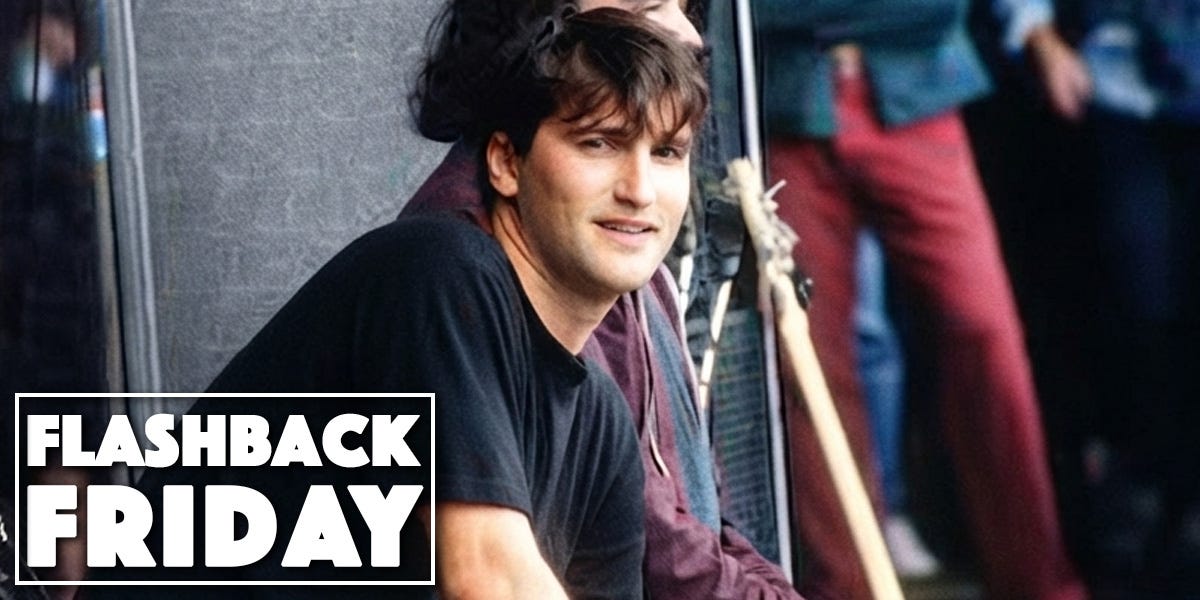
It’s wild to think that Twilight as Played by The Twilight Singers has been drifting through the ether for nearly 26 years. Released in September 2000, this record didn’t just mark a shift for its architect, Greg Dulli; it felt like a weird, late-night transmission from a different dimension.
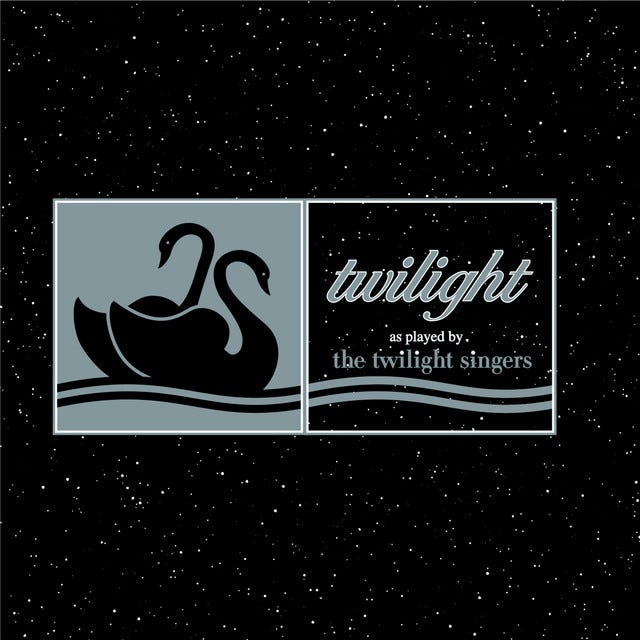
Believe it or not, the seeds of the project were sown long before The Afghan Whigs officially disbanded. Dulli began recording demos for what would become Twilight as early as 1997, feeling creatively hemmed-in after a decade of the Whigs’ high-octane, soul-drenched rock. He initially viewed these sessions as a low-stakes escape—a space to experiment without the heavy expectations of his primary band. Once that chapter finally closed, he didn’t just form a new group; he built a clubhouse for the disaffected and the musically adventurous.
for context, revisit another recent Flashback Friday post about the record that preceded the early stages of this one: https://www.audiotoxicity.com/p/flashback-friday-black-love-by-the
Dulli’s original vision for the group was ambitious: he wanted a collective where he could rotate lead singers and collaborate with other frontmen. If the Afghan Whigs were a tight, street-fighting gang, The Twilight Singers were a late-night lounge act comprised of the coolest people you knew from other, better bands.
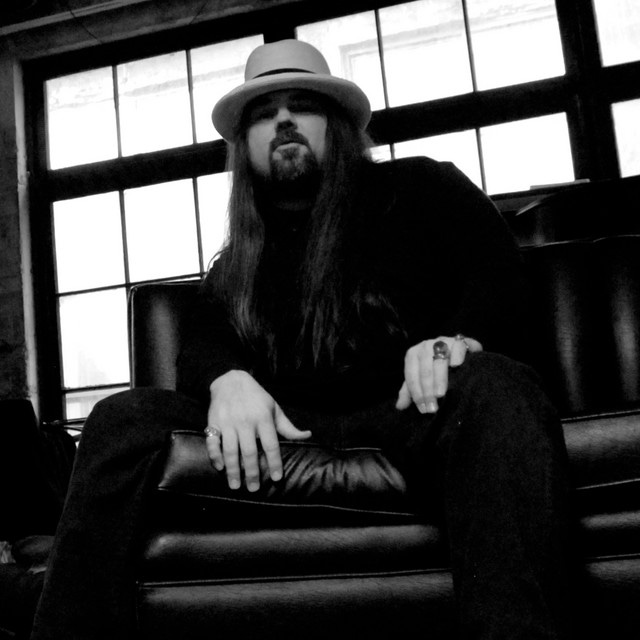
Dulli, ever the ringleader, pulled in a fascinating cast, including the closest thing to the “voice of 90s rock” from the Pacific Northwest indie-soul scene, Shawn Smith (Brad, Pigeonhed). His presence on this record provides a huge component of the secret sauce that made this record so good. Harold Chichester (Howlin’ Maggie) was also a key collaborator who helped steer the ship into those synths and moody beats territory. It’s the interplay between these three voices that really makes the record so special.
However, as Dulli famously noted later, when you put three lead singers in a room, things can get a bit volatile. The process was rocky. The songs he had written were more “fragile” and introspective than the aggressive, muscular output of the Whigs, and balancing three strong personalities with different creative sensibilities made for a chaotic, albeit interesting, studio environment.
Released in the autumn of 2000, Twilight dropped into a pop-culture landscape that was... let’s just say “confused.”
Culturally, it was a weird time to be an indie rocker. The internet was still a frontier, and the “CD rack” was the ultimate arbiter of coolness. Twilight didn’t really fit in with the garage-rock revival that was just about to break (looking at you, The Strokes and The White Stripes), nor did it belong with the fading giants of the 90s.
The world was busy obsessing over NSYNC’s No Strings Attached and the tail end of the “Teen Pop” explosion. Meanwhile, rock radio was being choked by the post-grunge slop of Creed and 3 Doors Down. While the charts were obsessed with shiny, over-produced polish or jingoistic angst, Twilight was doing something else entirely: it was sweating in a dark room. It was an “audaciously intriguing” concept album about the friction between love and hate.
By the time the Afghan Whigs officially broke up around 2000, Dulli returned to these shelved 1997 demos. He realized they needed a sonic overhaul to reflect where his head was at. He handed the tapes over to the British remix and downtempo production duo Fila Brazillia (Steve Cobby and Dave McSherry).
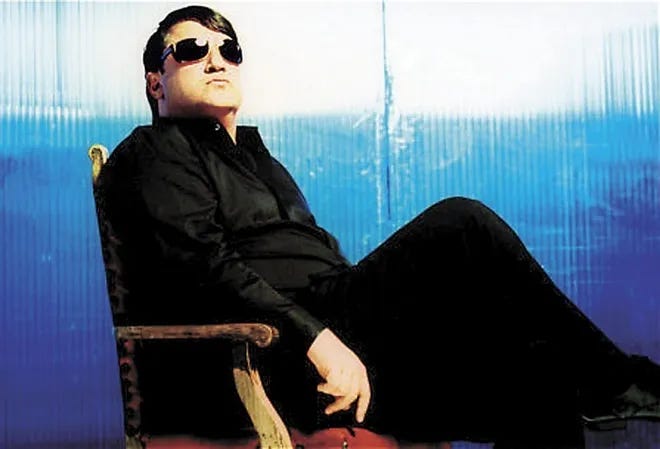
They were tasked with “treating” the songs—enhancing the grooves, adding those signature bubbling synths, and sharpening the production to make it sound more contemporary for the turn of the millennium. It was this partnership that pushed the record into that strange, moody, electronic-meets-soul space that makes it sound so different from anything else in his catalog.
It stood alone as a “slow-burning side project” that proved Dulli was far more interested in his own dark curiosities than in chasing trends. Critics at the time were largely intrigued, though some fans were left scratching their heads, wondering where the driving rock riffs went. Looking back, the electronic experiments and the focus on “mood” over “hook” make it a precursor to the more ambitious, sprawling work Dulli would perfect later on albums like Blackberry Belle and Powder Burns.
For Dulli, this record served a dual purpose. It was the “goodbye” to the decade he’d spent in the Whigs, but it was also a “rebirth” that allowed him to stop chasing the rock-band format.
Unfortunately, the tour to support the album didn’t go nearly as smoothly as the recording process. Dulli reportedly hated the experience, feeling a lack of connection with the touring band he’d assembled. It’s a classic Dulli story: the “side project” was born from a desire for total freedom, ended up being a source of significant friction, and ultimately paved the way for him to tear it all down again and build the much more cohesive version of the band that produced Blackberry Belle a few years later.
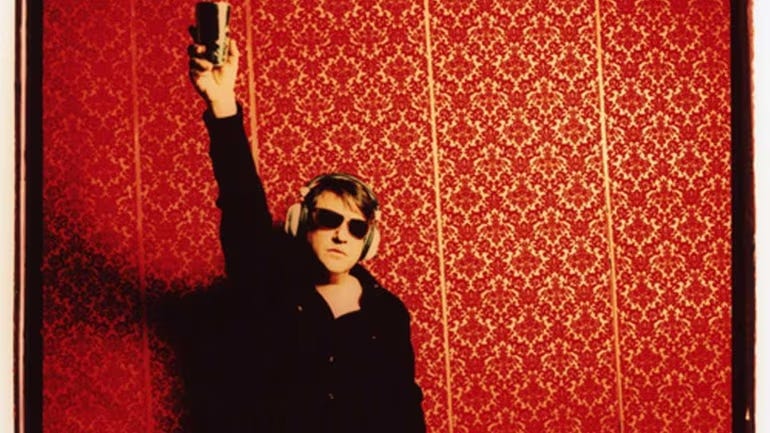
What makes these tracks special nearly 26 years later is that they refused to age. Because Twilight didn’t try to sound like the “Cool Rock Band” of 2000, it didn’t get pinned to the mast of that specific era’s sonic tropes. It remains a weird, singular document of an artist letting his guard down.
Twilight is a time capsule from the “Year of the Transitional Pop Trend.” It’s an album that captures that specific millennium-turning melancholy—the feeling of the 20th century slipping away and a slightly more digital, slightly more cynical 21st century taking its place. It’s not the record you put on at a party, but it’s exactly the one you play when you’re staring at the ceiling at 3:00 AM wondering how you got here.
In essence, Twilight wasn’t a destination; it was a transition. It was Dulli essentially saying, “I’m not the guy you knew from the 90s anymore, but I’m still figuring out who I am.”
The Album
Spotify:
Apple Music: https://music.apple.com/us/album/twilight-as-played-by-the-twilight-singers/186391537
The Videos
“That’s Just How That Bird Sings” live from Rockpalast in 2011
“Love” Live (with a little John Lennon shout out in the vocal)
The Band
https://www.thetwilightsingers.com/
Be sure to check out the Audio Toxicity 2026 Bad Music Detox Protocol (AKA a playlist of songs covered so far…)