

The 1976 Jazz-rock Masterpiece that Perfected the Sound of Urban Paranoia.
Flashback Friday: The Royal Scam by Steely Dan
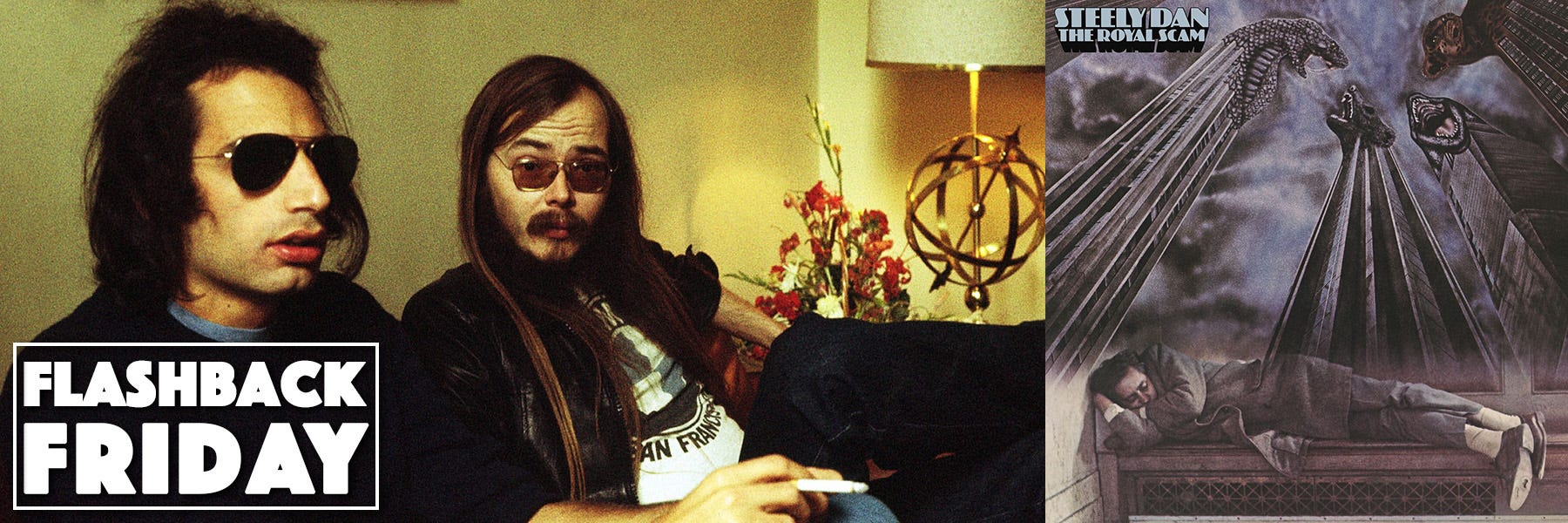
When Steely Dan released The Royal Scam on May 31, 1976, it was met with a mix of fascination and mild confusion. Coming off the back of the delicate, jazz-inflected Katy Lied, Walter Becker and Donald Fagen pivoted and turned up the distortion. I’ll admit, I was a little late to the party on this one having never been exposed to this record organically, but after revisiting earlier this year as part of an overdue Dan deep dive, it stands as arguably the most cohesive, biting, and sonically muscular record in their entire discography.
While it lacks the smooth commercial sheen of Aja (1977) or the pop immediacy of Can’t Buy a Thrill (1972), The Royal Scam is the definitive “dark masterpiece” of the Steely Dan catalog. It captures a specific mid-70s American paranoia and serves as the bridge to their late-70s studio perfectionism.
Culturally, The record acts as a grim post-mortem on the idealism of the 1960s. The songs are populated by grifters, drug dealers on the run, failed marriages, and desperate immigrants facing a cold urban reality. Becker and Fagen replaced the romanticized view of counterculture with a deeply cynical, cinematic realism.
“Kid Charlemagne” is loosely based on Owsley Stanley, the infamous underground LSD chemist of the 1960s. The song charts the transition from being a counterculture hero to a paranoid relic running out of gas in a hostile, corporate decade.
“Clean up this mess else we’ll all end up in jail / Those test tubes and the scale / Just get it all out of here” — “Kid Charlemagne”
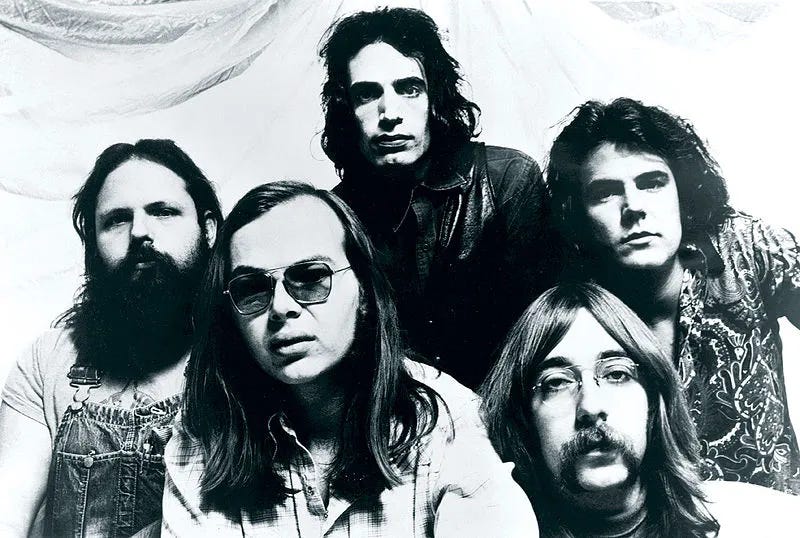
The title track, “The Royal Scam,” serves as a haunting critique of the American Dream. It details the exploitation of Puerto Rican immigrants arriving in New York City, traded from one form of poverty to another, all wrapped in a slow, oppressive brass arrangement. The album’s cover art—which Fagen famously joked was the ugliest of the 1970s—perfectly mirrors the music. A man in a trench coat sleeps uncomfortably on a city radiator, dreaming of skyscrapers morphing into predatory beast heads. It is a visual manifestation of mid-1970s urban anxiety.
Musically, The Royal Scam is Steely Dan’s most guitar-centric album. It functions as a guidepost in jazz-rock fusion, contrasting Fagen’s sophisticated chord voicings with aggressive, biting guitar solos. But, to truly understand why The Royal Scam is such a towering achievement, you have to look at its structural pillars. While the entire 9-track record is remarkably tight, these 5 essential tracks map the album’s core themes of paranoia, high-stakes musicianship, and the collapse of 20th-century idealism.
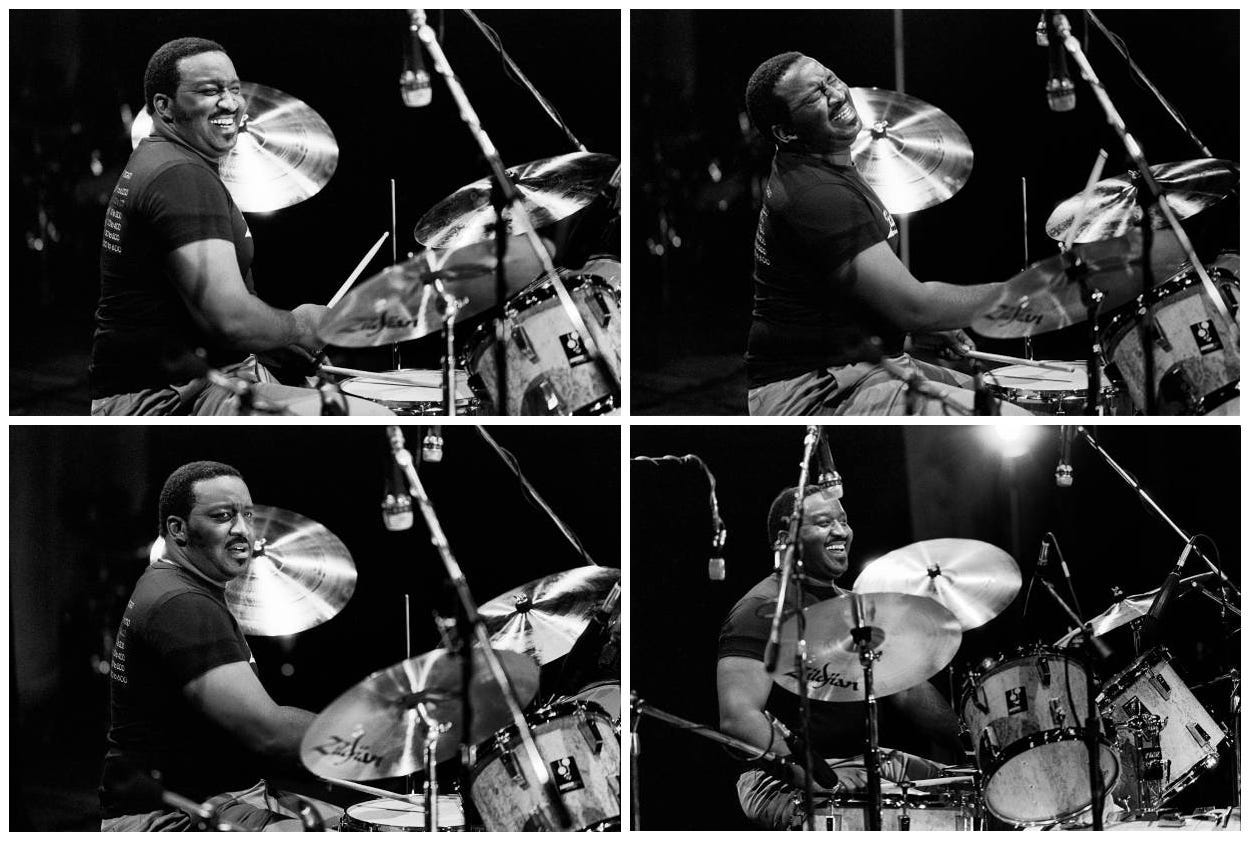
The album opener, “Kid Charlemagne,” is the Dan’s definitive statement on the death of the hippie dream. The track is a syncopated, mid-tempo funk masterpiece propelled by Bernard Purdie’s drumming. But it’s really Larry Carlton’s legendary guitar solo that elevates the track as he blends jazz bebop logic with hard-rock aggression, creating a multi-layered narrative arc within the song that is widely considered one of the greatest guitar solos ever recorded.
“The Caves of Altamira” is a brilliant stylistic outlier… this track deals with the loss of innocence and the primal, human need to create art, using prehistoric cave paintings as a metaphor. Musically, it is driven by a bright, pristine horn arrangement structured around a highly sophisticated, shifting chord progression. The juxtaposition of the music and lyrics is meticulously crafted and features one of Donald Fagen’s most soaring, triumphant vocal melodies, masking a deeply bittersweet reflection on how commercialism corrupts pure creative expression.
“Don’t Take Me Alive” tells the claustrophobic story of a cornered, heavily armed madman barricaded inside a building. The lyrics are pitch-black, but the arrangement is an absolute powerhouse of arena-ready jazz-rock. In the very first second of the song, Carlton starts the track with a piercing, sustained, feedback-heavy blues chord that instantly drops the listener into the heart of a high-stakes standoff.
On “Haitian Divorce” Becker and Fagen take a comedic, cynical look at the mid-70s phenomenon of wealthy Americans traveling to the Caribbean for “quickie” divorces. The song leans heavily into a deceptively laid-back, reggae-infused pop groove. After guitarist Dean Parks laid down his pristine rhythm tracks, Becker ran the guitar signal through a mouth-tube apparatus, shaping the notes with his own mouth to make the guitar sound like it is literal, sarcastic human speech laughing at the song’s tragic characters.
Side Note: A month ago I wrote about Bob Marley’s 1976 album Rastaman Vibration… 2 weeks after that I wrote about Billy Joel’s “Turnstiles.” And now here I am writing about Steely Dan’s “The Royal Scam”… All records released in 1976. Here’s why:
Thanks in large part to Bob Marley (and the record mentioned above), Reggae had officially “arrived” in the US in the mid-70s. But, instead of cloning Marley’s spiritual or political messaging, high-profile American artists borrowed his distinctive, syncopated one-drop drum beat and off-beat guitar chops to anchor their own storytelling.
As mentioned above, Steely Dan utilized the relaxed, sunny bounce of the genre on “Haitian Divorce” (released May 1976), using the upbeat skip of a reggae rhythm as a deeply ironic backdrop for a snarky tale of a broken marriage.
Billy Joel jumped on the exact same wave that same month on his album Turnstiles, utilizing a textbook reggae bassline and skanking rhythm guitar on “All You Wanna Do Is Dance” to deliver a playful, satirical critique of a pop music landscape obsessed with tracking the latest commercial trends.


And finally, the sprawling title track “The Royal Scam,” closes the album with an oppressive, slow-marching weight. It is a bleak, unsparing deconstruction of the American immigrant experience, tracking people who escape oppression only to find themselves trapped in an unfeeling, concrete metropolis. The brass sections rise and fall like an imposing, mechanical cityscape, perfectly framing Fagen’s apocalyptic delivery to cement this as the band’s most cinematic and dark closing tracks.
To understand just how strange and brilliant The Royal Scam was in the spring of 1976, you have to look at what it was competing against on the charts. Rock music was splitting into two distinct, massive camps: the pristine, radio-friendly soft rock of Southern California, and the over-the-top theatricality of arena rock.
Steely Dan fit into neither. While their contemporaries were singing about open roads or cosmic fantasy, Becker and Fagen were delivering jazz-inflected funk tracks about drug dealers, armed standoffs, and urban decay.
Consider the albums that dominated the airwaves alongside The Royal Scam… Fleetwood Mac released their self-titled breakthrough just a year prior (and were writing Rumours), while Eagles were finalizing Hotel California. This music was smooth, melodic, and hyper-focused on acoustic-electric textures and vocal harmonies.
Peter Frampton’s Frampton Comes Alive! was the undisputed king of 1976, alongside massive releases from Led Zeppelin (Presence) and Queen (A Night at the Opera). These records were big, communal, and highly theatrical. Also, Earth, Wind & Fire (Spirit) and Parliament (Mothership Connection) were redefining the rhythm section with heavy, communal groove music.

Before this album, Becker and Fagen were still wrestling with their identity as a rock group. After it, they became full-fledged studio dictators, obsessing over microscopic sonic details. The Royal Scam is the exact moment they mastered the art of hiding deeply subversive, dark literary narratives inside incredibly sophisticated, danceable jazz-funk grooves. Without the aggressive experimentation of The Royal Scam, the flawless, multi-platinum smoothness of Aja could never have been born.
Decades later, its influence remains massive. Its immaculate production and tight grooves made it a goldmine for hip-hop sampling (most famously by Kanye West on Common’s “The Corner” and MF DOOM on “Gas Draws”).
It stands not just as an artifact of 1976, but as a timeless masterwork of beautiful, cynical art.
The Album
Spotify:
Apple Music: https://music.apple.com/us/album/the-royal-scam-2025-remaster/1814734764
The Videos
“Kid Charlemagne” Live - Two Against Nature 2000
“Don’t Take Me Alive” Live @ Pine Knob Amphitheatre - 8.11.2003
“The Caves of Altamira” Live @ Pacific Amphitheatre, Costa Mesa, CA 2003
The entire album Live from 2015
The Band
Be sure to check out the Audio Toxicity 2026 Bad Music Detox Protocol (AKA a playlist of songs covered so far…)